
Ice Dams in Bellevue, WA: What They Are and When to Call a Roofer
An ice dam is a ridge of ice at a roof edge that traps melting snow behind it, forcing water back under the asphalt shingles instead of draining away. This guide covers how ice dams form in Bellevue, WA, the warning signs, and when to call a roofer.

Yes — an ice dam can cause a leak even when the shingles above it look fine, because the trapped water sits above the ice and works its way under the shingle courses. The risk is highest during freeze-thaw cycles, when snow melts during the day and refreezes at night. A roof inspection can confirm whether water has got underneath.
Icicles or ice building up at your roof edge? Call (425) 738-3670.
What Is an Ice Dam?
An ice dam is a ridge of ice that builds up along the lower edge of a roof, usually at the eaves or in a valley, and blocks the normal path of melting snow. Snow higher up the roof melts, the water runs down the slope, and then it meets the ridge of ice and stops. With nowhere to drain, the water pools behind the dam.
The problem is not the ice itself but the standing water behind it. Asphalt shingles are designed to shed water that runs down the slope, with each course overlapping the one below it like tiles. They are not designed to hold back a pool of still water. That is why an ice dam can cause a leak on a roof whose shingles look sound from the ground.
How Freeze-Thaw Lets Water Back Up Under Asphalt Shingles
Freeze-thaw is the cycle that builds and feeds an ice dam. During a cold spell, snow sits on the roof and the roof surface stays below freezing. When the weather turns milder, or heat from inside the home warms the upper part of the roof, the snow on the upper slope starts to melt. The meltwater runs down toward the eaves, which are colder because they sit beyond the heated part of the house. There the water refreezes, adding a thin layer to the ridge of ice at the edge.
The water does not need much depth to cause trouble. It sits against the shingle courses at the lower edge of the roof, and because it is held in place rather than running off, it has time to work under the shingle tabs, around the nail fixings, and through any small gap in the laps. Our guide to why roofs leak during heavy rain explains the same principle from the other direction: shingles shed moving water well, but standing water is a different problem.
Signs of Ice-Dam Damage
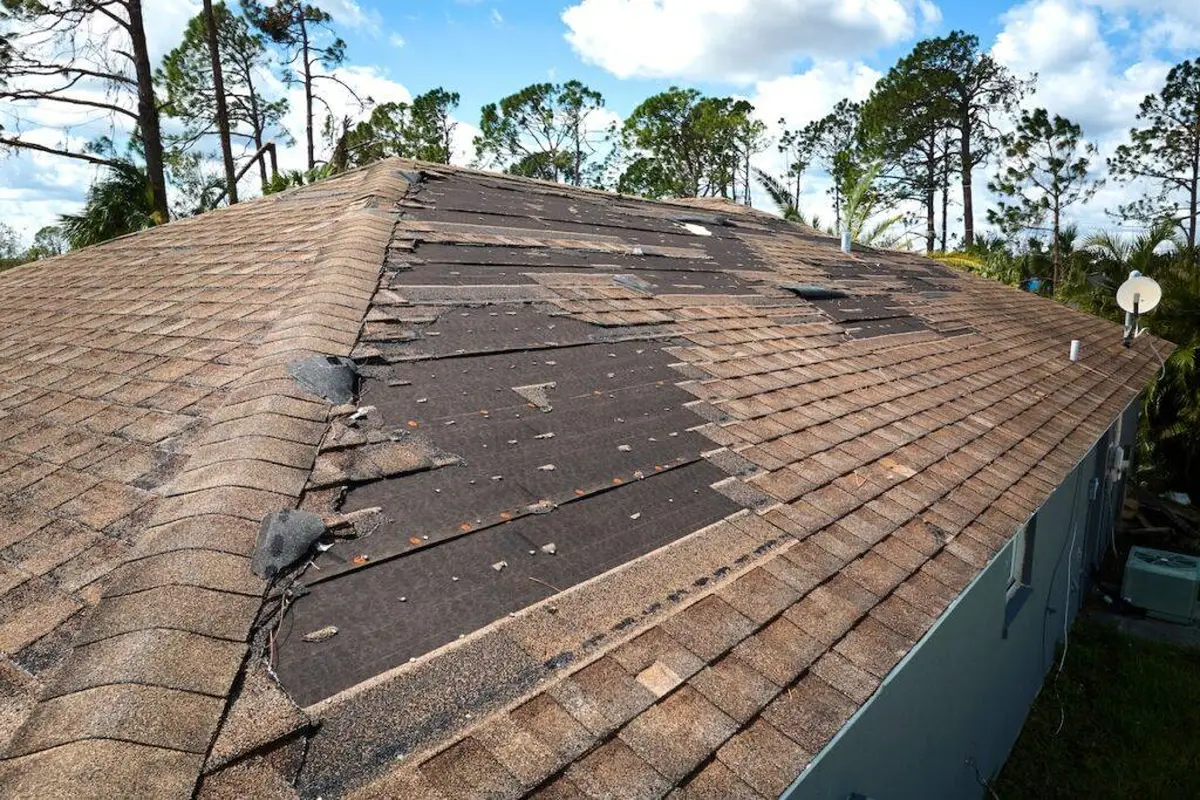
Some signs of ice-dam trouble are visible from the ground, and some only show up inside the home. The most obvious is a thick ridge of ice along the eaves, often with long icicles hanging from the gutters. A solid band of ice at the roof edge, especially with damp patches on the ceiling below it, is worth taking seriously.
- Ice ridge at the eaves. A raised band of ice along the lower roof edge, sometimes growing up the slope, with meltwater visibly pooled behind it.
- Large icicles. Long, thick icicles hanging from the eaves or gutters, particularly when they appear on one slope and not the others.
- Stains on ceilings or walls. Brown or yellow stains, peeling paint, or damp patches on the ceiling or upper walls, usually near the outside wall of the room below the roof edge.
- Damp or sagging plaster. Soft spots, bubbling paint, or a ceiling that feels damp to the touch under the eaves line.
- Water in the loft or attic. Damp insulation, water marks on the roof deck, or dripping found during a look in the attic space after a thaw.
Inside the home, the first sign is often a stain that was not there before a cold spell. Water from an ice dam usually shows up near the outside walls, because that is where the dam sits and where the water gets in. A stain in the middle of a ceiling is more likely to come from a different kind of leak. A stain means water has already travelled through the roof layers, so it is worth an inspection even if it looks small. Our guide to the signs of damaged roof shingles covers the other warning signs to check for at the same time.
What to Do When You See an Ice Dam
Start from the ground and stay there. Look at the roof edge with binoculars or photograph it with your phone, and note which slopes have ice, how thick the ridge looks, and whether there are any stains or damp patches inside the home. A long-handled roof rake can clear snow from the lower slope if you can do it standing firmly on the ground. If the roof is icy, the ladder is icy, or you cannot reach safely, leave it alone.
Inside the home, protect what the water can reach. Move furniture, electronics, and anything that water would ruin away from the wall below the dam, put a bucket or towel under any active drip, and note exactly where the water is coming in. Then call a roofer. A roof inspection can confirm whether water has got under the shingles and how far it has spread
What Not to Do
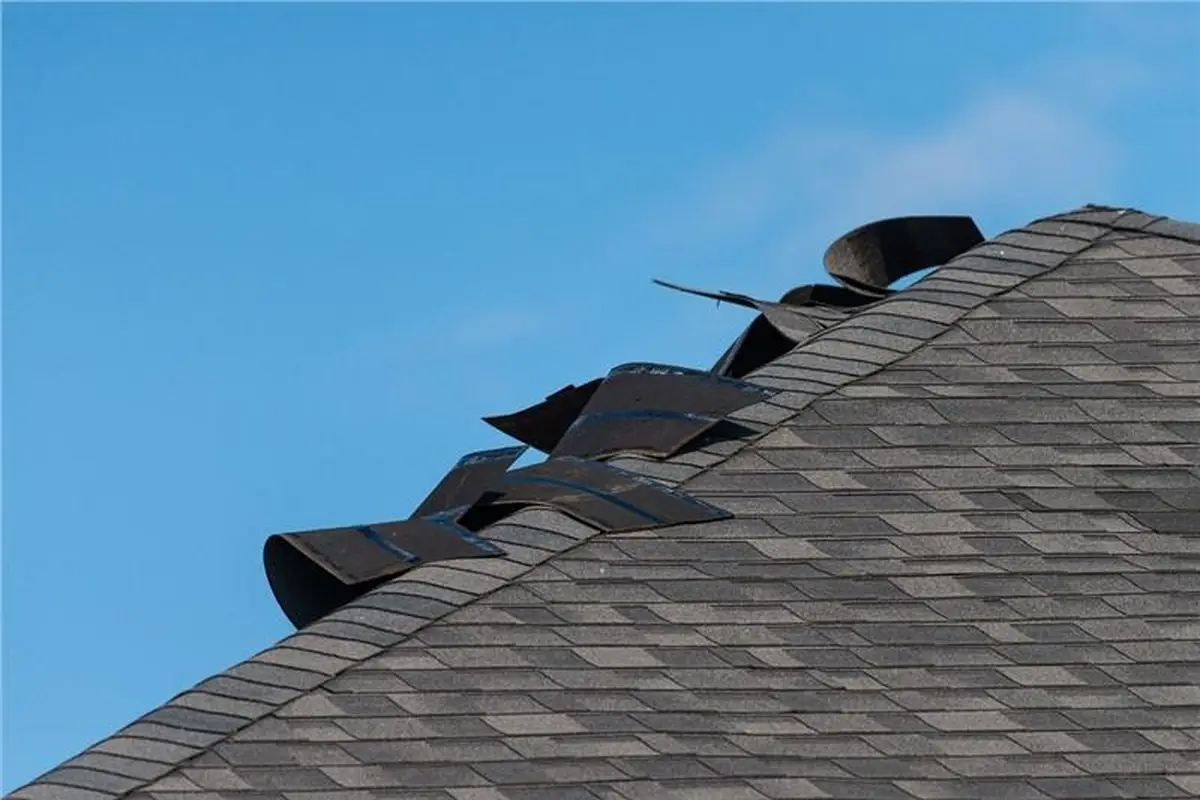
Do not climb on an icy roof. A roof covered in snow and ice is slippery, the shingles underneath are cold and brittle, and a fall from a roof is a far bigger problem than an ice dam. Do not chip at the ice with an axe, a hammer, a spade, or any other tool. Chipping breaks shingles, tears the laps, and can crack gutters, and it usually leaves the dam in place while creating new damage that lets in more water. Do not try to melt the dam by pouring hot water over it either — the water refreezes further down, and it adds more water to the pool behind the dam.
Do not ignore the dam either: each freeze-thaw cycle before it melts adds water to the pool and gives it more time to work under the shingles. The safe middle ground is simple: watch it from the ground, protect the inside of the home, and get a roofer to look at it. If water is already coming in, say so when you call — an active leak is the detail that decides how urgently the roof needs looking at.
Water coming in after a freeze? Call (425) 738-3670.
Prevention: Ventilation, Insulation and Meltwater Drainage
Preventing ice dams is about keeping the roof surface cold and even, so snow melts slowly and evenly rather than melting at the top and refreezing at the edge. The two things that matter most are ventilation and insulation in the roof space, working together. Ventilation lets cold outside air move through the attic or loft, carrying away the warmth that would otherwise heat the roof from below. Insulation slows the warmth escaping from the rooms underneath into the roof space in the first place.
In practical terms, that means the attic should stay close to the outside temperature, with air moving through it rather than sitting still. Blocked vents, insulation that has been pushed over the vents, or a loft crammed full of stored boxes can all break that airflow. A roofer or insulation specialist can check whether the roof space has enough ventilation and whether the insulation is even and complete, and can say what would need to change. The right fix depends on what is actually up there.
The third part of prevention is giving meltwater somewhere to go. Gutters and downspouts that are clear let the water that does melt drain away from the roof edge instead of pooling and refreezing. Leaves and debris left in the gutters over winter hold water at the eaves, which is exactly where a dam starts. Clearing the gutters before the cold weather sets in helps. Our guide to roof ventilation in Bellevue, WA explains how airflow through the roof space works and what to look for.
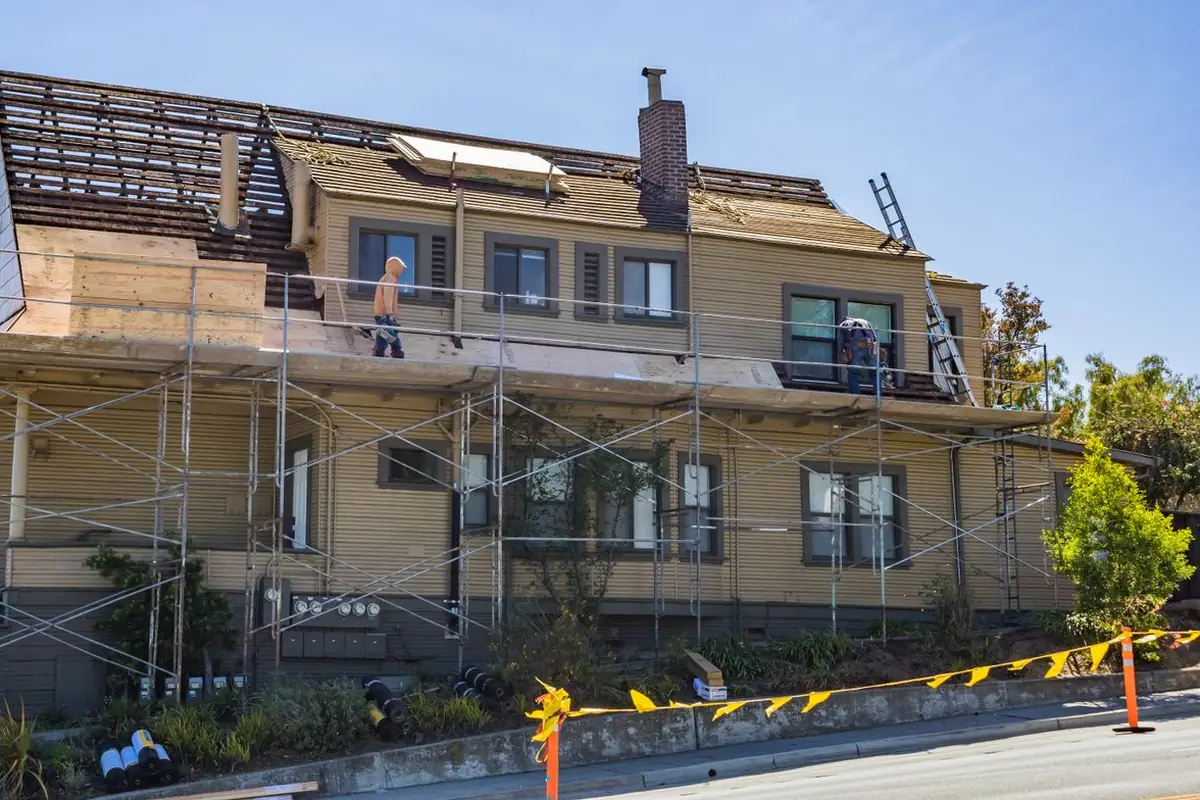
Prevention is a winter job, not a spring one: the ventilation, insulation and meltwater drainage that stop ice dams are best sorted before the cold arrives. Our guide to preparing your roof for winter in Bellevue sets out the full pre-winter checklist.
When Repair Is Needed
An ice dam does not always mean the roof needs repair. If the dam melts away, the inside of the home stays dry, and an inspection finds no water under the shingles, the roof may be fine — and the right response is to look at ventilation, insulation, and gutter clearance before the next cold spell. But if water has got under the shingles, the damage needs fixing even after the ice is gone.
Repair is needed when shingles at the lower edge are lifted, cracked, or missing after the thaw, when the underlayment beneath them is torn or soaked, or when there are stains or damp patches inside that line up with the dam. A few damaged shingles at the eaves can usually be replaced, with the courses around them resealed. If the same slope has been through repeated ice-dam winters, the damage may run further up the slope than the visible ice suggested. Our storm damage roof repair service in Bellevue covers the inspection and repair of this kind of weather damage, including the water damage an ice dam leaves behind.

Need professional help? If an ice dam has formed on your roof or water is coming in after a thaw, our roof inspection in Bellevue, WA covers the whole roof, with photos of any damage and a written estimate before any work starts. Call (425) 738-3670.
Key takeaways
- An ice dam traps meltwater behind a ridge of ice, and the pooled water works its way under the shingles.
- Freeze-thaw cycles feed the dam: snow melts on the warmer upper roof and refreezes at the colder eaves.
- Never climb an icy roof or chip at the ice — watch from the ground, protect the inside, and call a roofer.
Ice dam on your roof? Call (425) 738-3670.
Frequently Asked Questions
What is an ice dam?
An ice dam is a ridge of ice that forms along the lower edge of a roof and blocks melting snow from draining away. The water pools behind the ice and, given time, works its way under the asphalt shingles and into the roof layers below. Ice dams form during freeze-thaw weather, when snow melts on the upper roof and refreezes at the colder eaves.
Why do ice dams form in Bellevue?
Ice dams form in Bellevue for the same reason they form anywhere with cold winters: freeze-thaw weather, snow sitting on the roof, and warmth reaching the roof from inside the home. When the upper roof is warm enough to melt snow while the eaves stay below freezing, the meltwater runs down and refreezes at the edge, building the dam with each cycle.
Can an ice dam cause a leak if the shingles look fine?
Yes. Asphalt shingles are made to shed water running down the slope, not to hold back a pool of still water. Water trapped behind an ice dam sits against the shingle courses and has time to work under the tabs, around the fixings, and through small gaps in the laps. The roof can look sound from the ground while water is already soaking the underlayment beneath.
How can I tell if water has got under my shingles?
Look for stains, peeling paint, or damp patches on ceilings and upper walls near the outside wall of the room, and check the attic for damp insulation or water marks on the roof deck. Outside, look for a thick band of ice at the eaves with water pooled behind it. A roof inspection with photos is the reliable way to confirm it, because the entry point is often not directly above the stain inside.
What should I do first if I see an ice dam?
Stay on the ground and look at the roof edge with binoculars or a phone camera, noting which slopes have ice and how thick it looks. Inside, move anything water could ruin away from the wall below the dam and put a bucket under any drip. Then call a roofer for an inspection, and mention it if water is already coming in.
Is it safe to remove an ice dam myself?
No, not from the roof. Never climb on an icy roof, and never chip at the ice with tools, because chipping breaks shingles and tears the laps, and a fall from an icy roof is a serious risk. Clearing snow from the lower slope with a long-handled roof rake is fine if you can do it standing firmly on the ground, but the dam itself is a job for a roofer.
How do I prevent ice dams?
Keep the roof surface cold and even. That means ventilation that lets cold air move through the roof space, insulation that slows warmth escaping from the rooms below, and clear gutters and downspouts so meltwater can drain away from the eaves. A roofer can check the ventilation and insulation in your roof space and say what needs to change.
When should I call a roofer about an ice dam?
Call as soon as water is coming in, or as soon as you see a thick band of ice at the eaves with stains or damp patches inside the home. Even without a leak, call if the same slope forms a dam every winter. An inspection gives you photos and a written estimate before any work starts.