
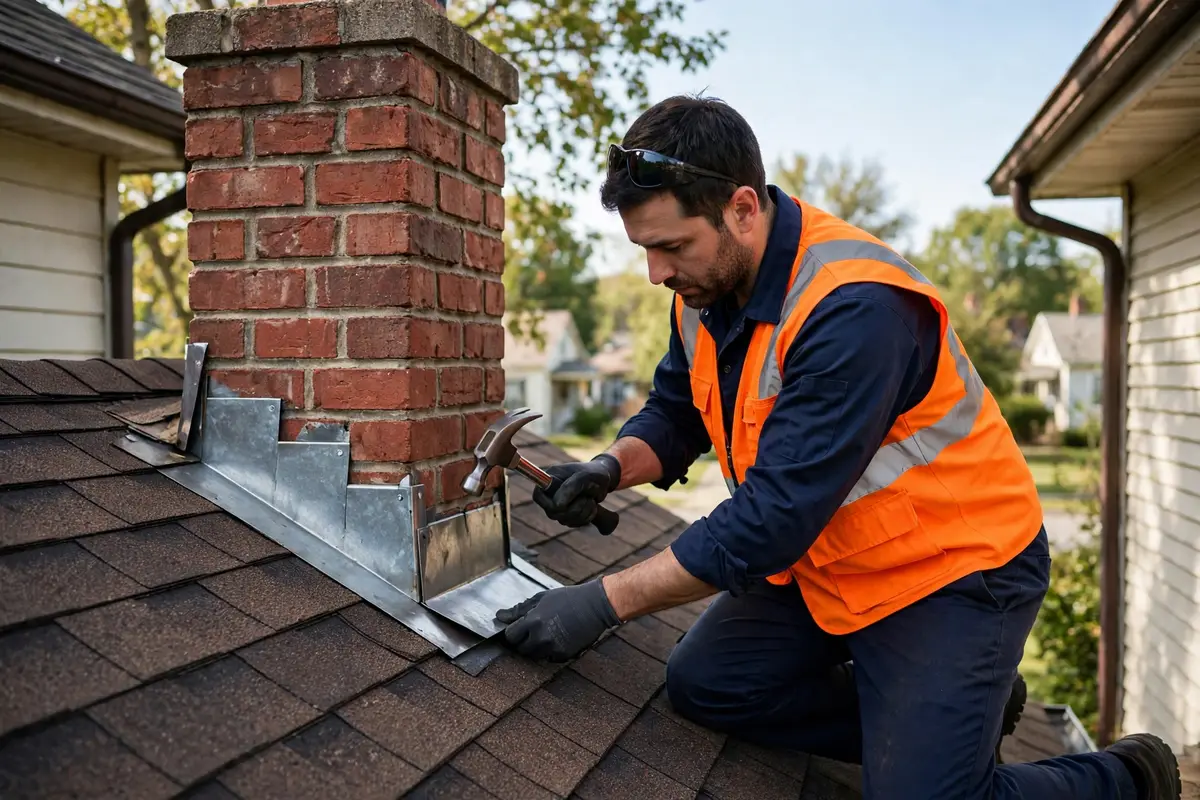
Roof Leak Repair in Bellevue, WA
Roof leak repair in Bellevue, WA — we trace leaks to their source and fix them, from flashing and pipe boots to missing shingles. Serving Lake Hills and Newport (98008, 98006). Call (425) 738-3670.
A leak is a symptom, not a diagnosis. Water travels along rafters and insulation, so the stain on your ceiling can be several feet from where water entered. Our residential roof leak repair starts on the roof and, where possible, in the attic: to find the source of a roof leak, we trace the water path before we fix anything. Patching the stain alone does not fix a leak. When people search for roof leak repair near me in Bellevue, they usually want a roofer who will find the source, not just patch the stain.
The Problem: Ceiling Stains, Dripping and Water Intrusion
Most leaks start at a transition: failed flashing at a chimney, valley or skylight, a cracked pipe boot, a damaged valley, or missing and cracked shingles. A roof leak around a vent or chimney is the most common kind we see, because that flashing is where the roof is cut and sealed — and seals age first. Underlayment failure and soft decking can also let water through. In Bellevue, leaks often appear only in heavy or wind-driven rain, when water is pushed past a small weakness that light rain never reaches.
Signs You Need Roof Leak Repair
- A ceiling water stain from a roof leak, brown on a ceiling or wall
- Dripping during or after rain
- Water leaking through the roof during rain
- A musty smell in the attic
- An attic stain on the decking or insulation
- Wet insulation or darkened decking in the attic
- A valley leak that shows as a stain below where two roof slopes meet
- A leak that appears only in heavy rain
Roof leaking? Call (425) 738-3670.
Our Inspection and Repair Approach
Roof leak detection in Bellevue starts with the stain and works backwards: we inspect the roof above and around the stain, check flashing, valleys, vents and shingles, and look in the attic to trace the water path. We photograph the source, explain it in plain language, and give a written estimate for the repair. A roof leak inspection in Bellevue covers the roof and, where possible, the attic, so the quote is based on the real source, not a guess. Temporary cover is arranged first if water is still coming in.
Roof Leak Repair Methods
Asphalt roof leak repair depends on the source: we replace damaged shingles, re-flash a chimney or valley, replace a cracked pipe boot, or repair underlayment and decking. When the leak is at the shingle field itself, we repair a roof leak around shingles by replacing the damaged shingles and re-sealing the courses above them. A leaking roof valley repair means removing the valley shingles, replacing the valley flashing or underlayment, and re-shingling the valley so water runs off instead of through. A flashing leak is fixed by replacing the failed flashing, not by sealing over it. A pipe boot leak shows up as a stain near a bathroom or kitchen vent, and the fix is a new boot, not more sealant. We do not seal over a problem and call it fixed — the failed component is replaced.
Can't find where the leak starts? Call (425) 738-3670.
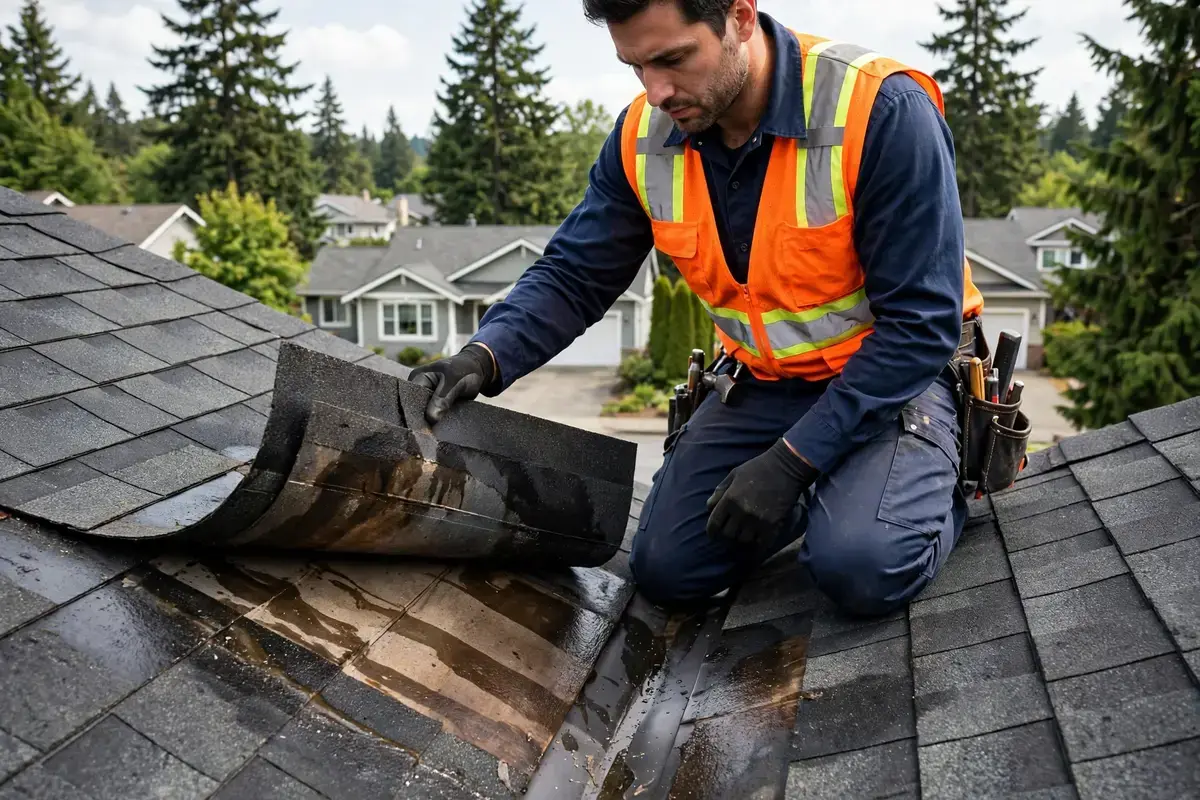
Common Roof Leak Locations in Bellevue Homes
Most leaking roof repair in Bellevue homes starts at one of a small number of places — the spots where the roof is cut, joined or penetrated. Roof leak detection Bellevue WA usually starts by checking these locations first, because water intrusion at a flashing, a vent or a valley is far more common than a leak through the middle of the shingle field. Knowing the usual locations also explains why the stain is often far from the source: water travels along rafters and insulation before it shows on a ceiling.
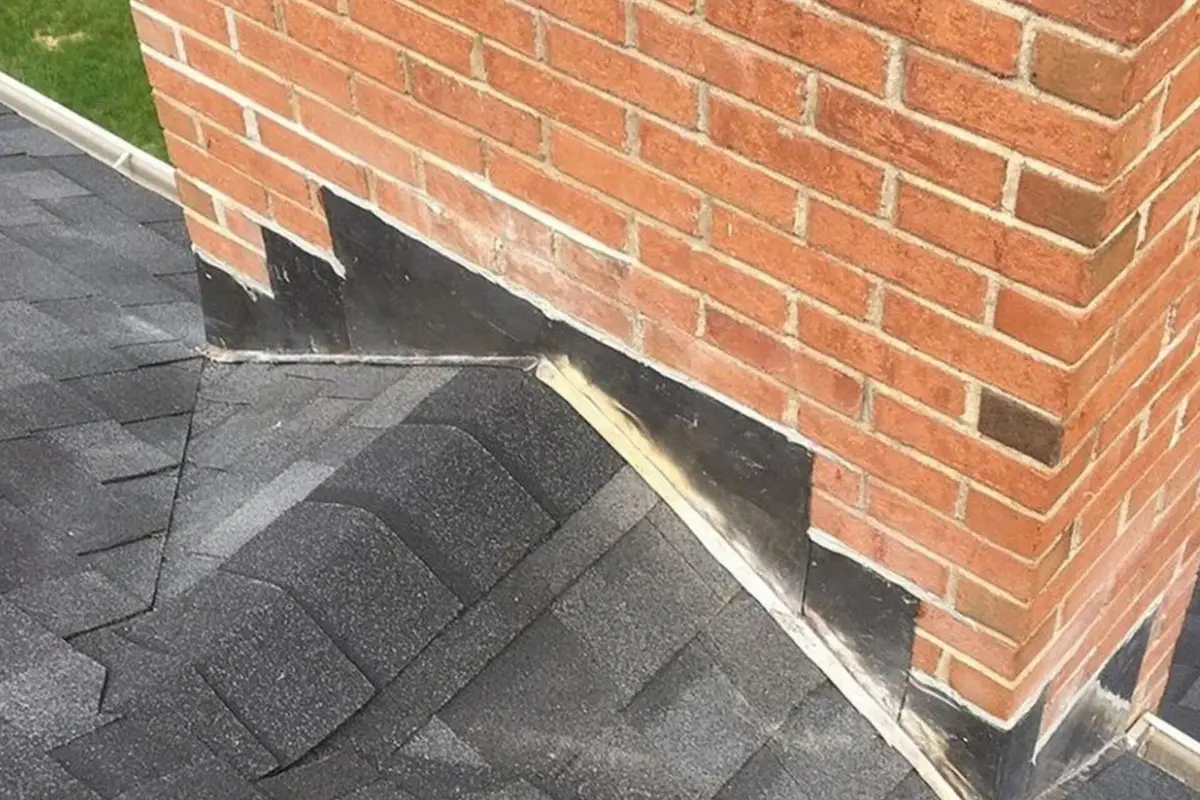
Chimney flashing
A chimney breaks the shingle field, so water has to be shed around it with step flashing up the sides and counter flashing set into the masonry. When the flashing ages, the sealant fails or the counter flashing pulls away from the brick, water runs down the joint and into the house. A roof flashing leak at a chimney often shows as a ceiling water stain near the fireplace or on the wall beside the chimney, and the fix is new flashing — roof flashing repair — not more sealant.
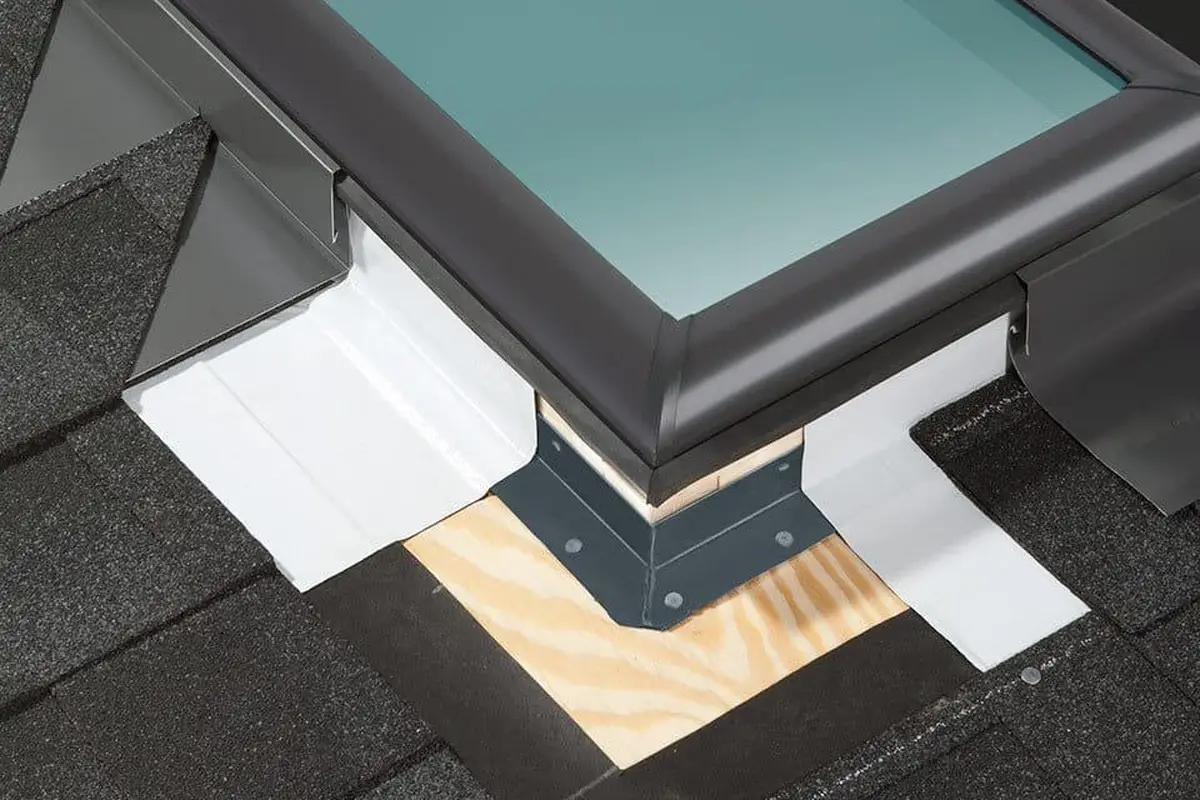
Skylight flashing
A skylight is a hole cut in the roof, sealed with curb flashing and step flashing around its frame. The flashing, the skylight's own seals and the shingles around it all have to shed water together, and if any one of them fails, water gets in. A leak around a skylight often appears as a stain on the ceiling below it or damp around its frame, and the cause can be the skylight seal itself rather than the roof flashing — a roof leak inspection finds which one it is.
Plumbing vent boots
Vent pipes pass through the roof, and each one is sealed with a rubber or metal boot that wraps the pipe and sits under the shingles above it. The rubber cracks with age and sun, and the crack lets water run down the pipe and into the attic. A leak near a bathroom or kitchen usually points to a vent boot, and the fix is a new boot — see roof vent repair — rather than more sealant.
Roof valleys
A valley is where two roof slopes meet, and it carries more water than any other part of the roof. The valley flashing or underlayment underneath the shingles can wear, lift or split, and once it does, water gets under the valley shingles. A stain below where two slopes meet usually means the valley is the source, and roof valley repair means replacing the failed flashing or underlayment and re-shingling the valley.
Ridge caps
Ridge caps cover the peak where two slopes meet, and they take the full force of wind and rain. When a cap shingle cracks, lifts or loses its seal, water can enter at the ridge and travel down under the shingles on either side. A leak near the top of a wall or at the ridge line often traces back to a damaged cap, and the fix is to replace the damaged caps and reseal the ridge.
Damaged asphalt shingles
Missing, cracked or badly lifted shingles leave the underlayment exposed, and underlayment is only a backup layer, not a roof covering. Wind-driven rain in Bellevue can push water under the surrounding shingles and through a gap that light rain never reaches. A ceiling stain after a storm often means shingles were lost or broken in the wind, and the repair is to replace the damaged shingles with matching ones.
Roof-to-wall transitions
Where a roof meets a taller wall — a dormer, a second storey or an addition — the joint is sealed with step flashing and counter flashing. If the flashing is missing, short or pulled away, water runs down the wall and behind the shingles. Leaks at a roof-to-wall joint often show as stains on the wall below the joint or on the ceiling beside it, and the fix is to refit the flashing so water sheds away from the wall.
Use this table as a starting point for roof leak diagnosis. These are possible causes, not definitive diagnoses — the same symptom can come from more than one place, and only an inspection finds the actual source.
| Symptom | Possible cause |
|---|---|
| Leak during heavy rain | Failed flashing or wind-driven rain |
| Leak near chimney | Chimney flashing |
| Leak near bathroom | Plumbing vent boot |
| Leak below roof valley | Valley flashing |
| Leak around skylight | Skylight flashing |
| Ceiling stain after a storm | Missing or damaged shingles |
What to Expect During Roof Leak Repair
A single, localised leak is usually repaired in a day. If decking is wet or soft, we show you and agree the extra work in writing before proceeding. You receive photos of the source and the repair.
Why Homeowners Choose Us
Bellevue’s rain means a small leak rarely stays small. Homes in Lake Hills and Newport Hills with older flashing, and shaded, moss-prone slopes in Somerset and Cougar Mountain, are the leak calls we see most. Leaking roof repair in Bellevue is best done early — an inspection now is cheaper than decking replacement later.
Cost: Replacing a few damaged asphalt shingles usually costs about $100 to $700 throughout Bellevue, WA. Our small repairs usually run $300-800. You get an exact price in writing after the inspection.
Related Shingle Repair Services
- Roof Flashing & Ridge Cap Repair in Bellevue, WA
- Roof Valley Repair in Bellevue, WA
- Roof Vent Repair in Bellevue, WA
- Shingle Roof Repair in Bellevue, WA
Roof Leak Repair FAQs
How do you find the source of a roof leak?
We start on the roof at the area above the stain, then trace the water path: shingles, flashing, valleys, vents and pipe boots. Where possible, we also look in the attic, because water runs along rafters and insulation before it shows on a ceiling. The repair targets the entry point, not the stain.
What does a roof leak repair actually fix?
It fixes the place water gets in, which is usually a failed flashing, a cracked pipe boot, a damaged valley, or a missing or cracked shingle. It does not fix the stain on the ceiling, which is only the sign. Once the entry point is sealed, the inside can dry out and the stain can be dealt with separately.
Can a roof leak be fixed from inside the house?
No. A leak must be repaired outside, at the place water enters. From inside, you can only limit the damage: catch the drip, move valuables, and photograph the stain. Covering or painting the stain does not stop the water, and the leak will keep wetting the decking and insulation until the roof is repaired.
How long does it take to trace a roof leak?
Most leaks are traced in a single inspection visit. We walk the roof, check the transitions above the stain, and look in the attic where we can get in. A leak that only appears in heavy rain can take longer, because we may need to see the roof wet or wait for rain to confirm the source.
Do you inspect the attic when tracing a leak?
Yes, where we can get in safely. The attic shows water paths that the roof does not: wet insulation, stained rafters, daylight through the deck, and the point where water first drips through. It also shows whether the decking is soft, which tells us if the repair is a small fix or a bigger job.
What damage can a slow roof leak cause over time?
A slow leak wets the decking, insulation and ceilings a little at a time, so the damage grows quietly. Over months it can rot the decking, stain ceilings, and damage insulation so it no longer works properly. That is why a small leak is worth fixing promptly, even when the drip looks minor.
How do you repair a leak at a chimney?
We remove the old flashing around the chimney base, fit new step flashing up the sides and counter flashing into the masonry, then reseal the joints. The chimney is a common leak point because it breaks the shingle field, so the flashing must shed water away from the joint rather than letting it sit against the brick.
What if the leak comes back after a repair?
Call us and we will re-inspect. A leak that returns usually means the source was nearby rather than at the spot we fixed, such as a valley or a vent a few feet away, or that water is finding a second entry point. We check the whole area around the repair, not just the repaired spot, before deciding what to do next.
Does a roof leak always mean the shingles are bad?
No. Most leaks start at a flashing, a pipe boot, a valley or a vent while the shingles around them are still sound. Shingles usually only cause a leak when they are missing, cracked or badly lifted. An inspection finds whether the problem is the shingles or a detail around them, and the repair follows from that.
Can a leak be repaired without removing shingles?
Sometimes. A cracked pipe boot or a small flashing gap can sometimes be resealed from above without lifting shingles. Most leaks need shingles lifted or removed to reach the failed part, because the flashing and underlayment sit underneath them. We tell you which one your leak needs after the inspection.