
Last updated: 19 November 2026.
Prepare Your Asphalt-Shingle Roof for Winter in Bellevue, WA
Winter in Bellevue means months of rain and wind on an asphalt-shingle roof, so a check before the wet season can stop a problem becoming a leak. This guide covers the shingles, flashing, valleys, gutters and ventilation to check in Somerset and Lake Hills, in ZIP codes 98004 and 98006.

To prepare an asphalt-shingle roof for winter, check the shingles, flashing, valleys and ridge caps for damage, clear the gutters and downspouts, remove moss and debris, trim branches that hang over the roof, and make sure the attic can breathe. Fix what you find before the heavy rain starts, and check again after the first big storm.
Roof not ready for winter? Call (425) 738-3670.
Why Winter Is Hard on a Bellevue Shingle Roof
Bellevue winters are long, wet and windy, and a roof spends months under near-constant rain. Wind drives that rain sideways, under lifted shingles and into gaps that would stay dry in a summer shower. Moss grows through the damp months, and the freeze and thaw of cold nights can open up small cracks a little further each time. None of this means a roof is doomed each winter, but it does mean that a small weakness in autumn can become a leak by spring.
Shingles are made to shed water that runs down the slope, and they do that job well when they lie flat and overlap properly. Problems start when water gets underneath them instead — through a lifted tab, a cracked shingle, a gap in the flashing, or a valley full of leaves. Once water is under the shingles, the underlayment is the only thing between it and the deck, and that is not a position you want to rely on for a whole winter. A check in autumn is about finding those entry points while they are still small.
Your Pre-Winter Roof Checklist
Work through this list from the ground, with binoculars if you need a closer look at the shingles. Do not climb on the roof to check it: wet autumn shingles are slippery, and walking on them can crack or loosen the very pieces you are trying to protect. If you find anything below that worries you, note where it is and call us on (425) 738-3670 — a roof inspection photographs the problem and gives you a written estimate before any work starts.
Shingles
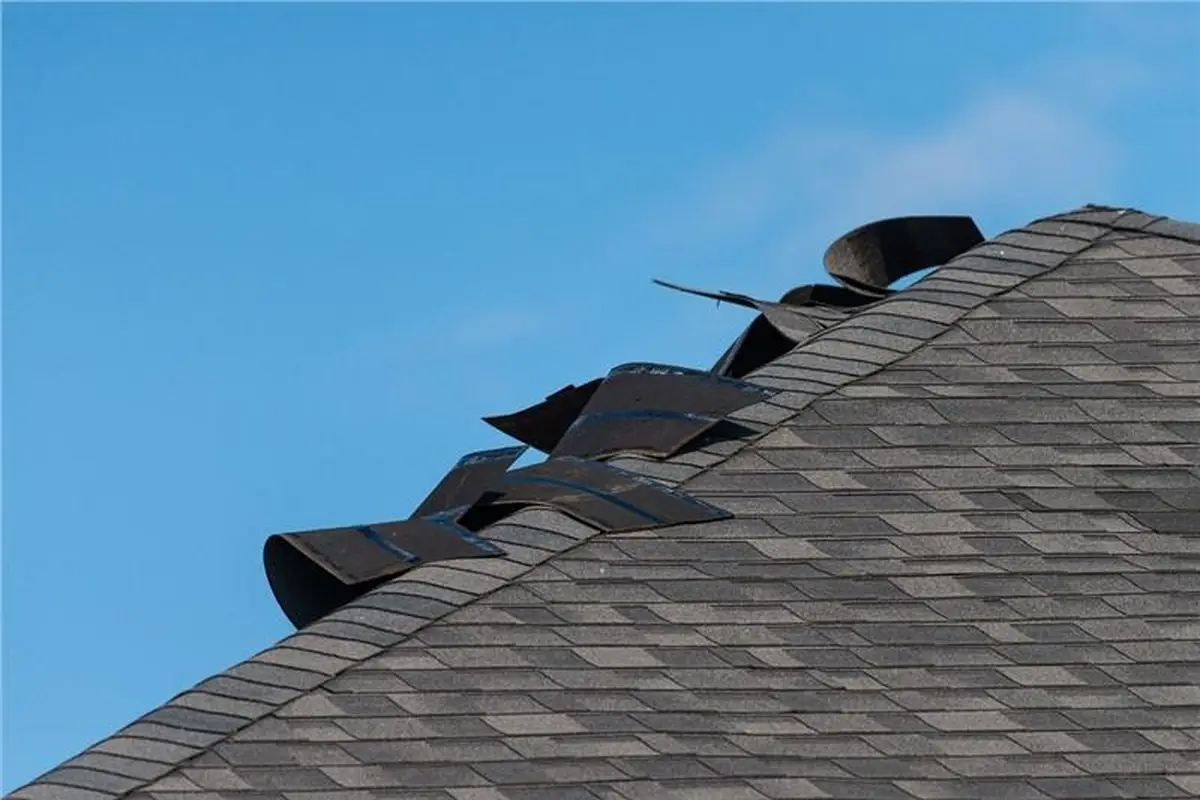
Start with the shingles themselves, slope by slope. Look for pieces that have lifted at the edge, curled at the corners, cracked across the face, or gone missing altogether. Check the ridge caps along the top edge of the roof, which take the most wind. Also look for bare patches where the surface granules have worn away, and check the gutters for granules that have washed off — a gutter full of granules is a sign the shingles are wearing thin. A lifted or missing shingle is the most urgent find: it leaves a direct path for wind-driven rain, and it should be fixed before the heavy rain starts.
Flashing and Ridge Caps
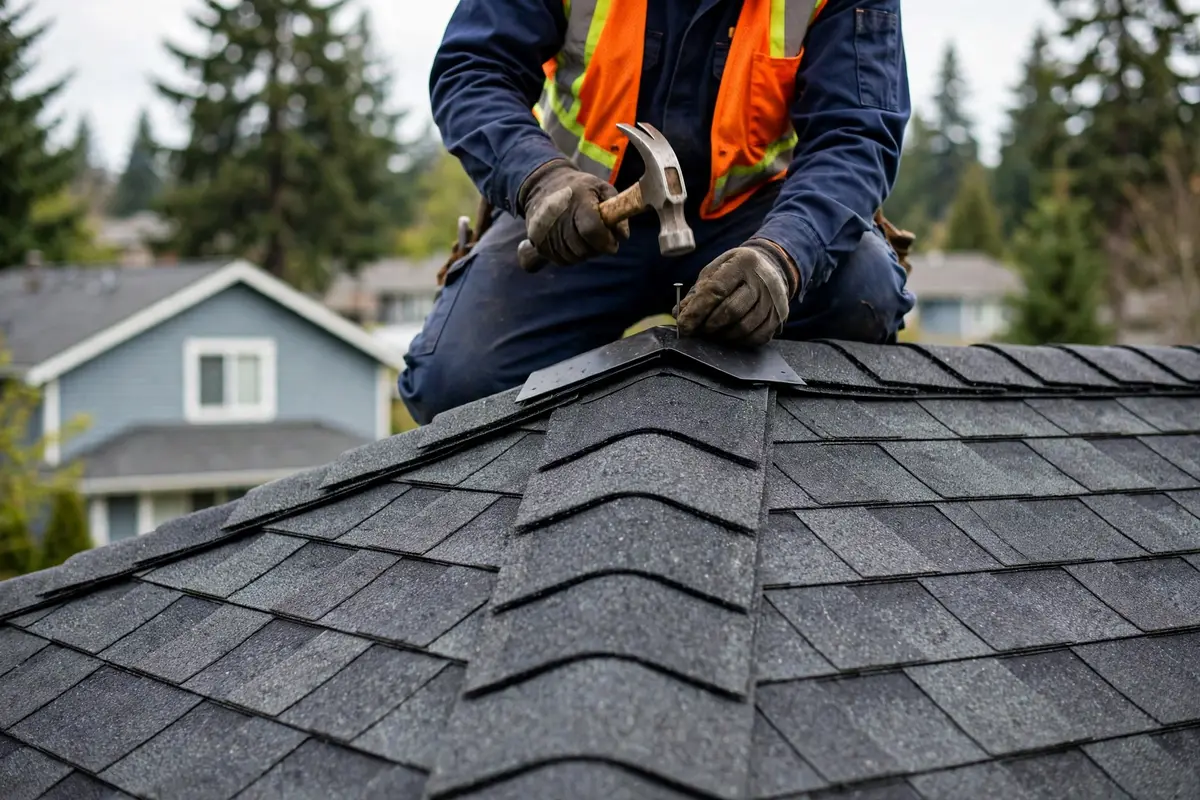
Flashing is the metal fitted where the roof meets something else — a chimney, a wall, a skylight, or a vent — and it is one of the most common places for a leak to start. Look for flashing that has lifted, bent, or pulled away from the wall, and for sealant that has cracked or gone missing around its edges. Ridge caps, the shingles folded over the top edge of the roof, take the full force of the wind, so check them for lifting or cracking too. Flashing problems are easy to miss from the ground, which is why they are one of the first things we check on an inspection. If you can see a gap, or if there has been a stain on the ceiling below a chimney or skylight, say so when you call — our roof flashing and ridge cap repair service covers exactly this work.
Valleys
A valley is where two roof slopes meet, and it carries more water than any other part of the roof. Leaves and debris collect there, hold water against the shingles, and hide damage underneath. Look for shingles in the valley that are cracked, worn, or lifting, and for debris piled up along its length. If the valley lining underneath is damaged, water can run straight through to the deck. Valleys are also the place where a small problem grows fastest, because every shower sends water down the same channel, so a worn valley is worth fixing before winter rather than after the first leak.
Gutters and Downspouts
Clear the gutters of leaves, twigs, and the moss that washes off the roof. A gutter full of debris cannot carry rain away, so water overflows the edge, runs down the walls, and can work its way back under the eaves. Check that the gutters are not sagging or pulling away from the fascia, and that the joints are not leaking. Then check the downspouts: run water through them if you can, and make sure the outlets at the bottom are clear and that water flows away from the house. A downspout blocked at the bottom will back up the whole run, however clean the gutter itself looks.
Moss and Debris
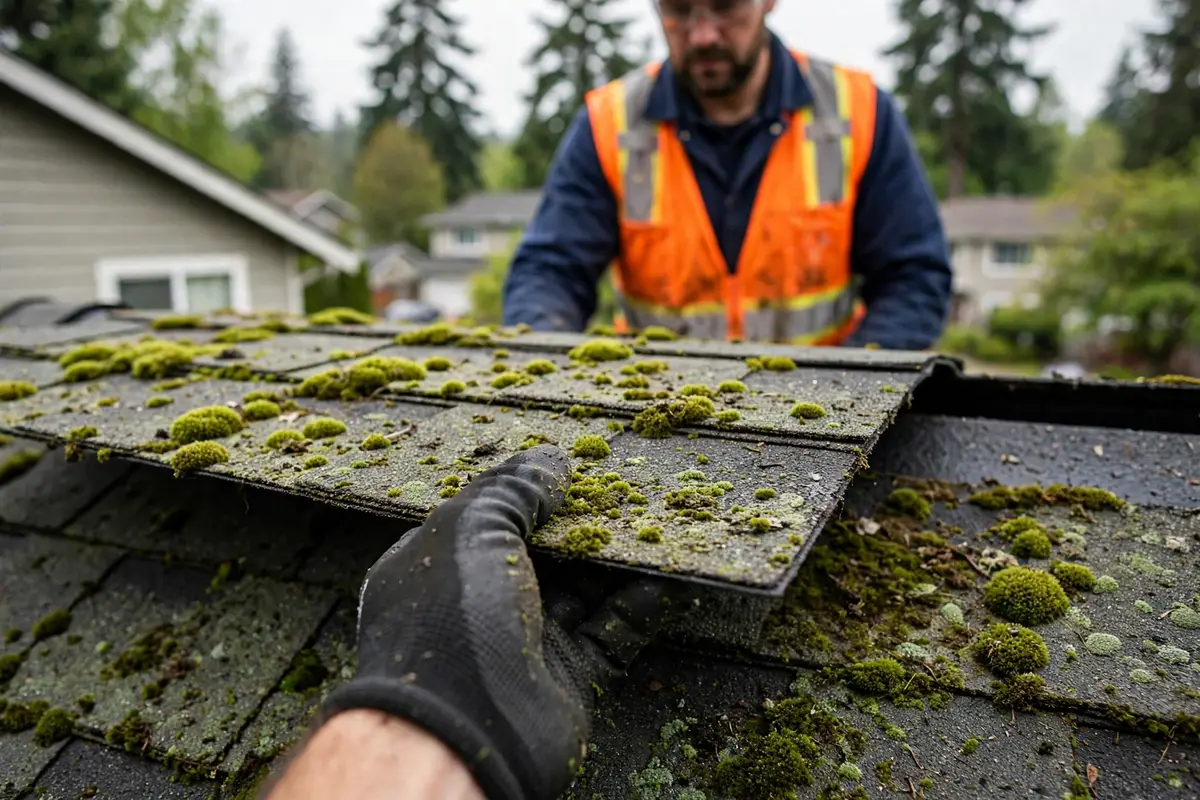
Moss is common on Bellevue roofs, and it does more harm than it looks. It holds water against the shingles for days after rain, and as it grows it lifts the edges of the shingles, which lets rain get underneath. It also hides cracks and lifted tabs, so a mossy roof is hard to inspect properly. Clear loose debris from the roof with a soft broom, and have moss removed before winter so the roof can dry between showers. Do not use a pressure washer on shingles: the jet strips the granules off the surface and shortens the life of the roof.
Overhanging Branches
Branches that hang over the roof rub against the shingles in the wind, wearing away the granules and loosening the tabs underneath. They also drop leaves straight into the valleys and gutters, and a branch that breaks in a winter storm can land on the roof itself. Trim branches back so they no longer touch the roof, and clear any that hang directly over a valley or a gutter. If a branch is large or close to a power line, leave it to a tree service rather than tackling it yourself.
Attic Ventilation
Ventilation matters in winter because warm, moist air from the house rises into the attic. If it cannot escape, it condenses on the cold underside of the roof deck, leaving damp patches and, over time, mould on the timber. Check that the vents are not blocked by stored boxes or by insulation that has been pushed up against them, and that the soffit vents under the eaves are clear of debris and paint. A damp attic in autumn is a warning sign worth acting on before winter, because the condensation only gets worse as the cold weather sets in. If you are unsure what you are looking at, an inspection can check the ventilation along with the roof itself.
Ice-Dam Risk
An ice dam is a ridge of ice that forms at the edge of a roof and traps melting snow and water behind it, where it can work its way under the shingles. It forms when heat escaping into the attic melts snow on the upper roof, and the water runs down and freezes again at the colder edge. The risk is highest where the attic is warm and the ventilation is poor, which is why the ventilation check above matters. Clearing the gutters helps too, because a blocked gutter gives the water nowhere to go. Our guide to ice dams in Bellevue explains the warning signs and what to do if one forms.
Found a problem on the checklist? Call (425) 738-3670.
When to Do the Checks
Early autumn is the best time, while the weather is still dry enough to work on the roof and to let sealant set properly. That also leaves time to book a repair before the heavy rain arrives, rather than joining the queue after the first storm. If you have already had a leak, or if the windstorm earlier in November 2026 lifted shingles on your street, check the roof sooner and do not wait for autumn — our guide to the windstorm damage covers what to look for after high wind. Whenever you do the checks, pick a dry, calm day, and work from the ground. A roof that is wet or icy is not a place to walk, and a check done in the rain will miss the lifted shingles that only show up when the roof is dry.
Can Roof Repairs Be Done in Winter?
Yes, with limits. The main limit is the sealant that bonds shingles together: it needs warmth to set, and in cold weather it takes longer to bond, or does not bond fully at all. A repair done on a cold, damp day may look finished but not be properly sealed, and the first strong wind can lift the new shingle again. For that reason, planned repairs are best done on a dry day when the temperature is mild, even in the middle of winter — there are usually a few such days between storms.
Cold also makes shingles stiffer and more brittle, so a roofer has to handle them more gently, and some repairs that are simple in summer take longer in winter. Emergency work is different: if a roof is leaking, it can be covered and made watertight in most weather, and that temporary cover holds until a proper repair can be done on a dry day. The one hard rule is that no one should work on a roof that is icy or wet underfoot. If a job has to wait for a safe day, it waits — a delayed repair is better than a fall.
What to Check After the First Heavy Rain
The first heavy rain of the season is the real test of your preparation, and it is worth a check the next morning. Start inside: look for stains on ceilings and upper walls, damp patches in the attic, and any dripping sound you did not hear before. Then look at the roof from the ground for shingles that have lifted or gone missing, and check that the gutters carried the water away instead of overflowing. Also check the ground around the house for granules washed off the roof, which show where the shingles are wearing.
If you find a leak, act on it quickly rather than waiting to see if it happens again. A leak found early is usually a small repair — a lifted shingle, a gap in the flashing, a blocked valley. The same leak left alone can soak insulation and decking over the winter, and what started as a single shingle becomes a much larger job. Photograph anything you find, note which room the stain is in and which slope is above it, and call us on (425) 738-3670 with that information — it helps us find the entry point faster.
What a Pre-Winter Inspection Covers
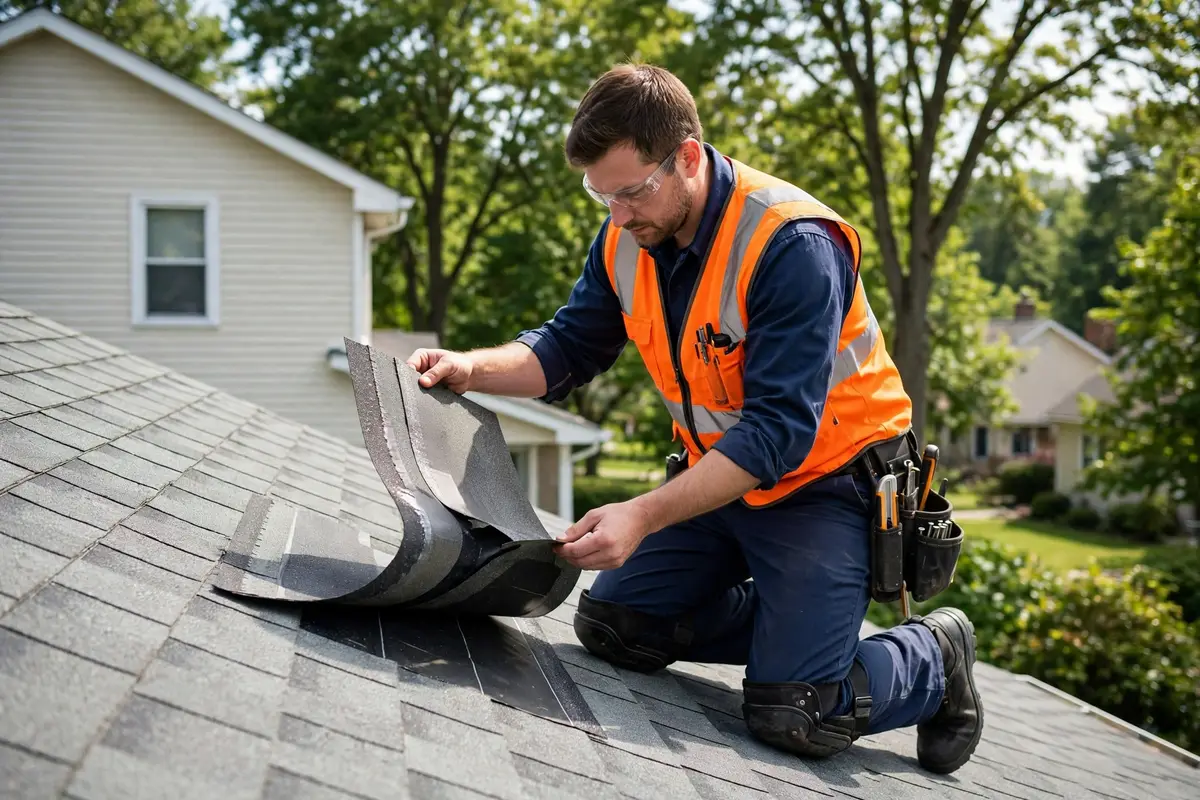
An inspection starts with the shingles, slope by slope, photographed as we go, then the flashing, valleys, ridge caps, gutters and ventilation. We look for the lifted, cracked and missing pieces that let wind-driven rain in, and for the moss, debris and blocked vents that make winter harder on a roof. After the inspection you get the photographs and a written estimate before any work starts, so you can see what needs fixing and what can wait. Our guide to preparing for a roof inspection explains what to have ready before we arrive, and our roof inspection service covers the full check. Regular roof maintenance through the year — clearing gutters, removing moss, checking the valleys — keeps the pre-winter list short, because most of it has already been done.
Need professional help? If your Bellevue roof is not ready for winter, our asphalt shingle repair in Bellevue, WA service covers inspection, patching, and honest advice on what can wait until spring. Call (425) 738-3670.
Key takeaways
- Check shingles, flashing, valleys, gutters, moss and ventilation before the heavy rain starts, and fix what you find while the weather is still dry.
- Roof repairs can be done in winter, but sealant needs mild, dry weather to bond, and no one should work on an icy or wet roof.
- After the first heavy rain, check inside for stains and damp, and outside for lifted shingles and overflowing gutters — a leak found early is a small repair.
Roof ready for winter? Call (425) 738-3670.
Frequently Asked Questions
When should I prepare my roof for winter in Bellevue?
Start in early autumn, while the weather is still dry enough to work on the roof and to let sealant set. That gives you time to book a repair before the heavy rain arrives, rather than finding a leak in the middle of a storm. If you have already had a leak or a windstorm, check the roof sooner and do not wait for autumn.
What is the most important thing to check before winter?
The shingles themselves, because they are the first layer of defence. Look for pieces that are lifted, cracked, curled or missing, and for bare patches where the granules have worn away. A single lifted shingle can let wind-driven rain underneath, so anything you find is worth fixing before the wet season rather than after the first leak appears.
Do I need to clean my gutters before winter?
Yes. Gutters full of leaves cannot carry rain away, so water overflows the edge and runs down the walls or back under the eaves. Clear the leaves and check that the downspouts run freely and that water flows away from the house at the bottom. If a gutter sags or leaks at a joint, have it fixed before the heavy rain starts.
How does moss affect a roof in winter?
Moss holds water against the shingles, and in winter that dampness stays put for weeks. As moss grows it lifts the edges of the shingles, which lets rain get underneath them. It also hides damage, so a roof covered in moss is hard to inspect properly. Clearing moss before winter lets the roof dry between showers and makes any damage easier to see.
Can roof repairs be done in winter?
Yes, with limits. Shingles are stiffer in the cold and sealant takes longer to bond, so a repair done on a cold day needs a dry spell and mild weather to set properly. Emergency work, such as covering a leak, can be done in most weather. No one should work on a roof that is icy or wet, so some jobs have to wait for a safe day.
What is an ice dam, and should I worry about one in Bellevue?
An ice dam is a ridge of ice at the edge of a roof that traps melting snow and water behind it, where it can work its way under the shingles. It forms when heat escaping into the attic melts snow on the roof, which then freezes again at the colder edge. Our guide to ice dams in Bellevue explains the warning signs and what to do about them.
What should I check after the first heavy rain?
Look inside first: stains on ceilings and upper walls, damp patches in the attic, and any dripping sound. Then look at the roof from the ground for lifted or missing shingles, and check that the gutters did not overflow. A leak found early is usually a small repair; the same leak left alone can soak insulation and decking over the winter.
Do I need a professional inspection before winter?
It is worth it if the roof is older, if you have had leaks or wind damage, or if you cannot see the roof clearly from the ground. An inspection photographs the shingles, flashing, valleys and gutters, and gives you a written estimate for anything that needs fixing. Our guide to preparing for a roof inspection explains what to have ready before we arrive.