
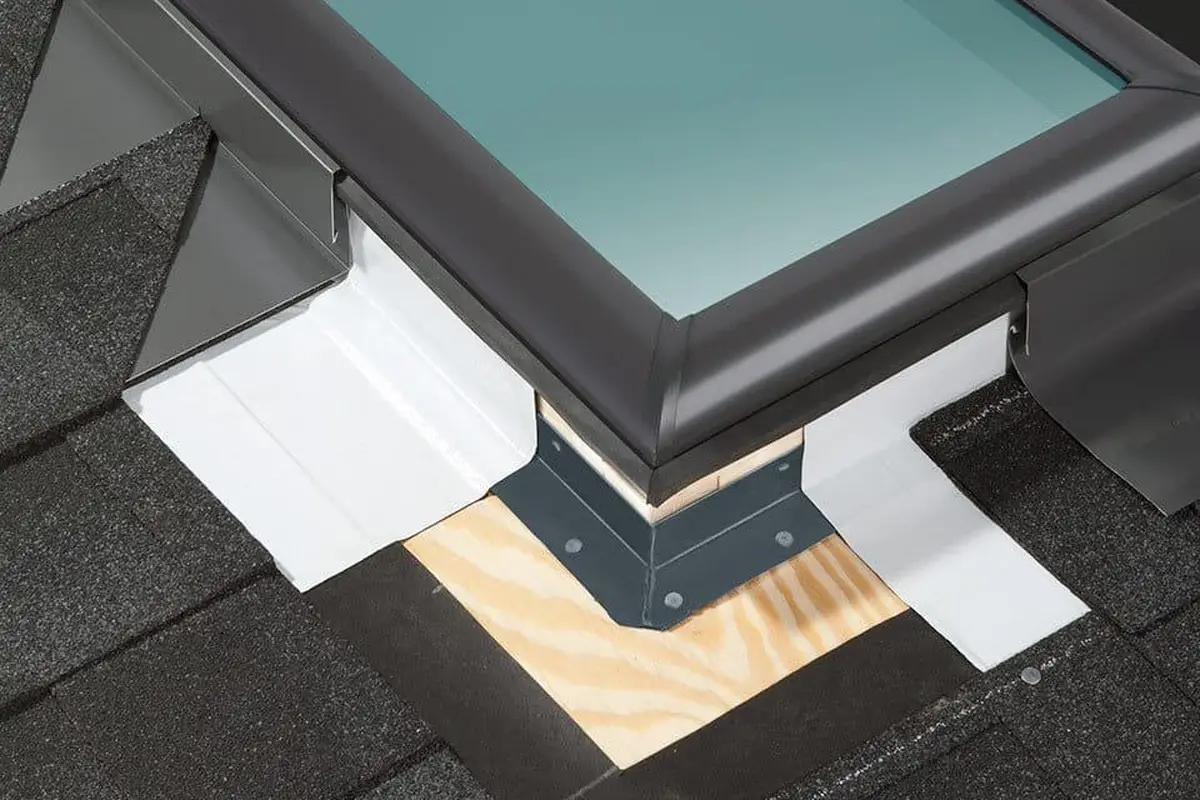
Skylight Leak Repair in Bellevue, WA
Skylight leak repair in Bellevue, WA for leaks where skylights and chimneys meet asphalt-shingle roofs. We replace failed flashing, reseal the joints and refit the shingles around them. If water is staining the ceiling below a skylight or chimney, call (425) 738-3670 to book an inspection.
Call Now to Speak to a Specialist
For skylight leak repair in Bellevue, WA, we start by finding where the water is actually getting in. A stain below a skylight does not always mean the skylight itself has failed: often the flashing around the skylight curb, or where a chimney passes through the roof, has worked loose, rusted or lost its seal.
The Problem: Skylight and Chimney Leaks
A skylight is a hole cut through the roof, and a chimney is a masonry stack that passes through it. Both need flashing to seal the joint where they meet the shingles. That joint moves as the deck, the curb and the chimney expand and contract at different rates, and the seal between them works loose. Sealant ages and cracks, flashing rusts where water stands against it, and shingles beside the joint can lift or crack, leaving a gap the flashing alone cannot cover.
Bellevue rain makes these joints work hard. A skylight curb and a chimney base sit in the path of water running down the slope, so they take more water than the flat shingle field. Leaves collect against them, holding moisture against the metal, which is why a leak often appears after a long spell of wet weather and can come and go with the wind.
Signs You Need Skylight Leak Repair
- A water stain on the ceiling or wall below a skylight or beside a chimney
- Drips from the skylight frame or shaft during rain
- Damp or soft drywall around a skylight, or paint bubbling near a chimney
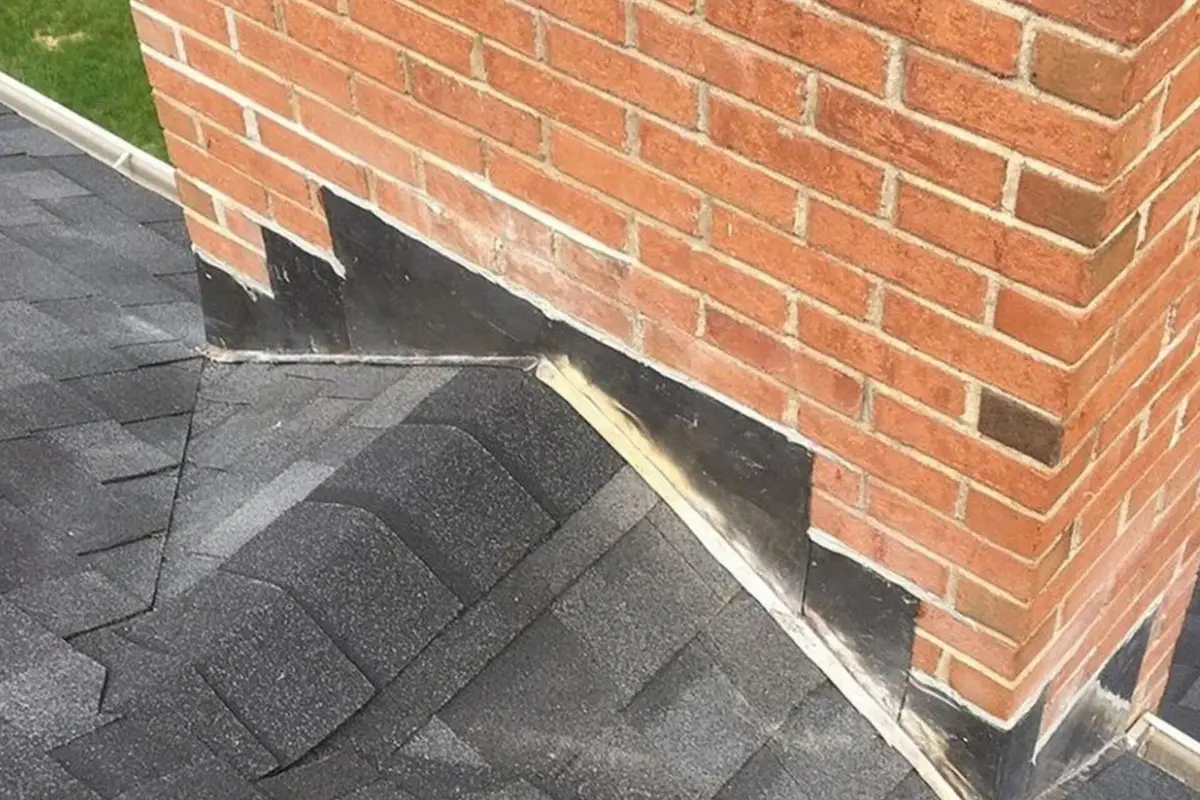
- Rust streaks, gaps or lifted metal around a skylight curb or chimney base
- Damp insulation or darkened decking in the attic
- A musty smell in the room below a skylight after wet weather
Any one of these is worth an inspection. A small stain can mean a small gap, or water that has been getting in for some time. The guide to finding a roof leak explains why the entry point and the stain are rarely in the same place.
Water staining below a skylight or chimney? Call (425) 738-3670.
What a Skylight and Chimney Leak Inspection Checks
We inspect from the roof and from the attic, because the two views together show where water is entering and where it travels. From the roof we check the flashing, sealant, shingles and curb or masonry. From the attic we look for damp decking and insulation and daylight through a gap. You receive photos of what we find before any work starts.
Skylight curb flashing
Step flashing runs up the sides of the skylight curb, each piece woven between the shingle courses so water runs down and out. Head flashing covers the top of the curb and sill flashing the bottom. We check each piece for rust, holes and lifted edges, and whether it was fitted under the shingles at all. Flashing laid over the shingles lets water behind it.
Seals and gaskets on the skylight
The skylight has seals where the glass meets the frame and where the frame meets the curb. We check them for cracking and shrinkage, and for condensation trapped between panes, which points to the unit rather than the roofing. A worn seal can sometimes be renewed, but a seal failed inside the glazing cannot be fixed from the roof. Our roof inspection covers the skylight seals, so it can tell you whether the leak is in the roofing or the unit.
Shingles around the skylight and chimney
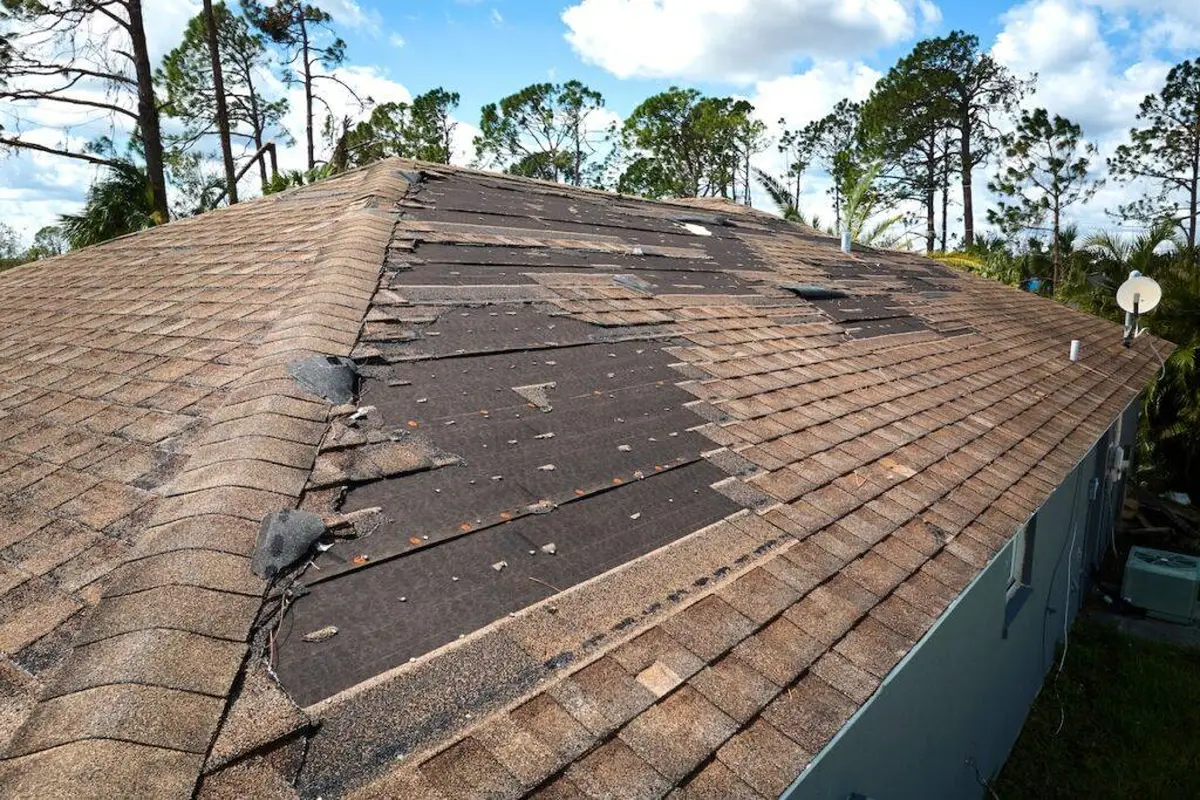
The shingles beside a skylight curb and around a chimney base are lifted and checked, because a cracked or lifted shingle leaves a path for water even when the flashing is sound. We check for lost seal strips, creases from foot traffic, and shingles cut too short around the curb. Damaged shingles are replaced with matching shingles and sealed, so flashing and shingles shed water together.
Chimney flashing, counter flashing and the cricket
Chimney flashing combines step flashing up the sides, apron flashing across the front and counter flashing set into the mortar joint above. We check the mortar joint for openings, the counter flashing for gaps, and the apron for rust. On a wide chimney, a cricket, a small peaked diverter uphill, keeps water from pooling behind the stack. Our roof flashing and ridge cap repair page explains how flashing fails at each joint.
How Skylight Flashing Repair Works
To repair a skylight leak, we lift the shingles around the curb and remove the failed flashing. The curb and decking beneath are checked for soft or damp wood, and the underlayment for tears. New step flashing is fitted up the sides, woven between the shingle courses, with head flashing at the top and sill flashing at the bottom. The joints are sealed where sealant is the right fix, the shingles are refitted over the flashing and sealed down, and the repair is photographed before and after.
We do not repair a skylight leak by sealing over the old flashing. Sealant across a failed joint may stop a drip for a while, but it does not fix rusted metal or flashing never woven in. A proper repair replaces the failed metal, so the joint sheds water by its shape, not by sealant.
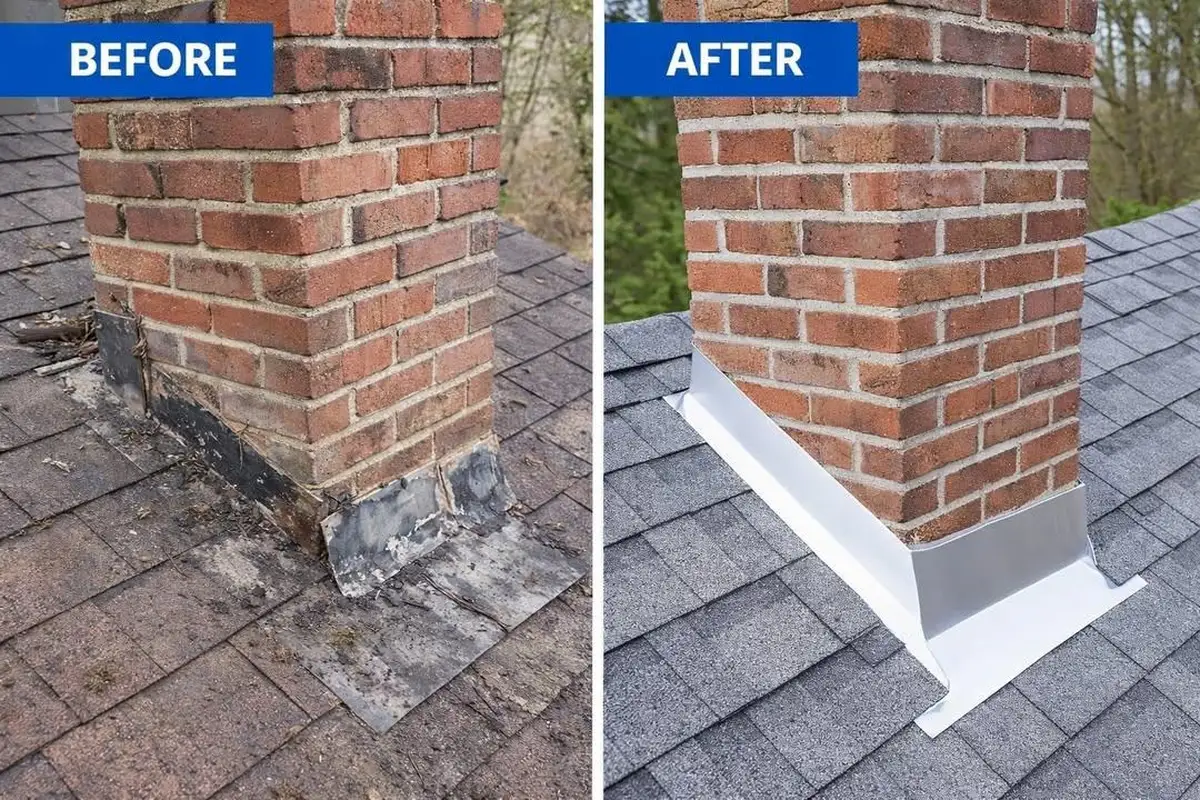
Chimney Flashing Repair
Chimney flashing repair in Bellevue, WA follows the same approach: lift the shingles, replace the failed metal, and refit the shingles over it. Step flashing goes up both sides, woven between the courses. Counter flashing is set into the mortar joint and folded down over the step flashing so water running down the brick cannot get behind it. If the mortar joint has opened up, it is repointed so the metal has a sound joint to sit in.
Chimney leaks are often mistaken for roof leaks elsewhere, because water entering at the chimney base runs along the decking and stains a ceiling some distance away. Our guide to roof flashing problems and leaks describes the signs that point to flashing.
Skylight Seals or Flashing: Telling Them Apart
A leak around a skylight can come from the flashing, the seals, or the shingles beside the curb, and the three look the same from inside. Water that appears only in heavy rain and runs down the shaft usually points to the flashing or shingles. Condensation on the inside of the glass on cold mornings, without rain, points to a failed seal in the glazing. An inspection settles it, so the right part gets fixed.
Repair or Replace the Skylight Itself
Most skylight leaks we see are roofing leaks: failed flashing, worn sealant or damaged shingles around the curb. Those are repaired without touching the skylight unit. Replacing the skylight is a different decision, for when the unit itself has failed: condensation trapped between the panes, a cracked pane, or a warped or rotted frame. None of those is fixed by new flashing.
We are a roofing repair company. Our work is the roofing around the skylight: the flashing, the seals at the curb and the shingles. We do not supply or fit replacement skylight units, and we will not tell you a skylight needs replacing when a flashing repair will fix the leak. If the inspection shows the unit has failed, we will tell you the roofing is sound and the leak is in the unit, so you can have it replaced and the roofing refitted around the new unit.
What to Expect During a Skylight Leak Repair
A single skylight or chimney flashing repair is usually completed in a day. A home with several skylights, or a chimney that also needs repointing, can take longer, and we will tell you before the work starts. You receive a written estimate and photos of the repair. The work is done from the roof, so you do not need to be at home, though someone should be there for the inspection.
If the inspection finds damage beyond the flashing, such as soft decking around the curb, we will tell you what else is needed and give you a written estimate for it. Nothing is added without your agreement.
Not sure whether it is the skylight or the flashing? Call (425) 738-3670.
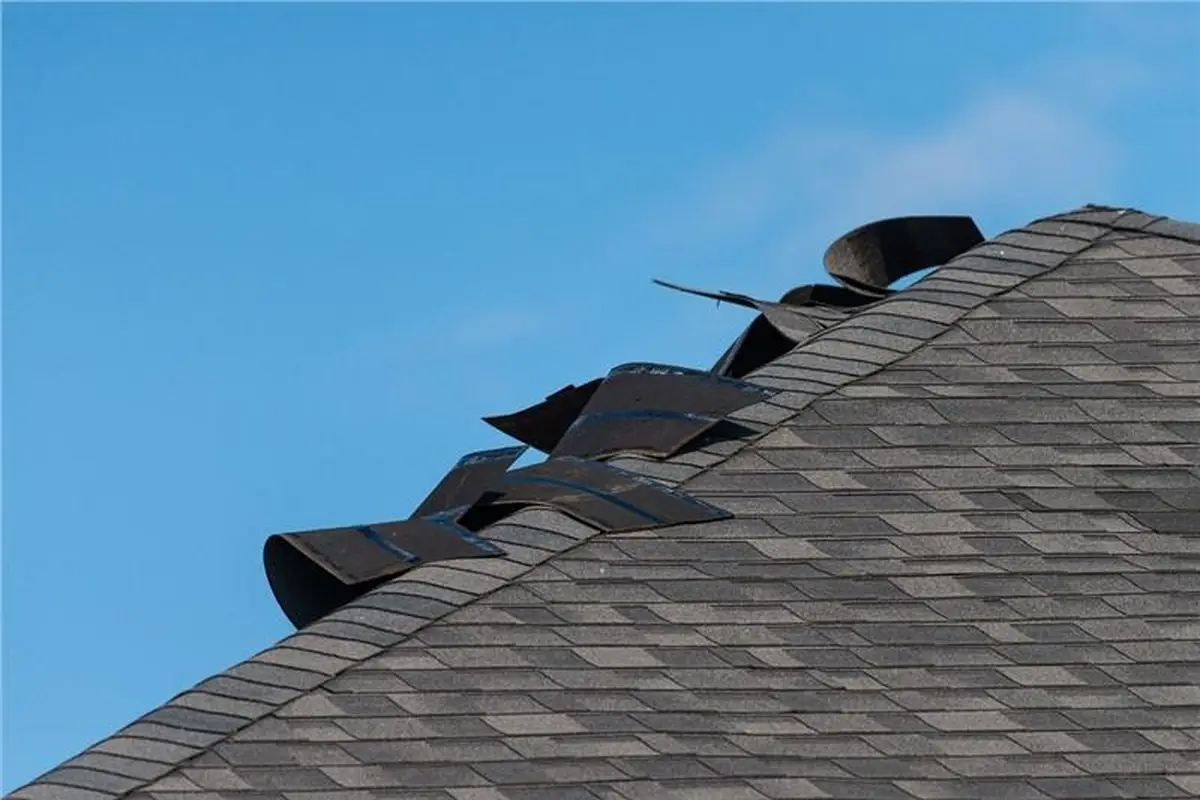
Keeping Skylight and Chimney Leaks From Coming Back
Once the leak is repaired, the joint still needs looking after. Debris against a chimney base or behind a skylight curb holds water against the metal and starts corrosion, so keeping those joints clear helps the repair last. Sealant ages, so the seal between the flashing and the curb or masonry should be checked as part of a regular roof inspection. A yearly look after the wet season catches a failing joint while it is still a small repair.
Older homes in Lake Hills, Eastgate and Newport Hills often have original flashing that has outlived its sealant.
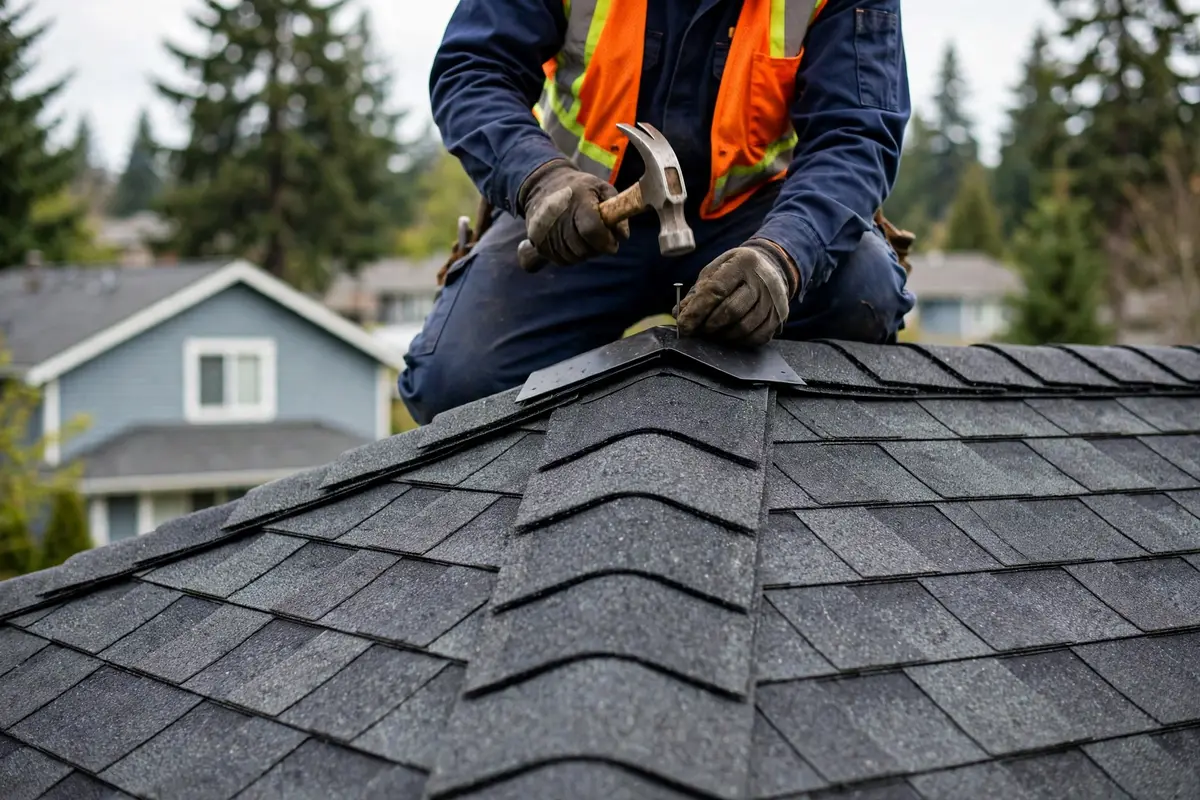
Related Shingle Repair Services
Skylight Leak Repair FAQs
How do I know if my skylight is leaking or if it is condensation?
A leak shows as a stain on the ceiling or wall around the skylight, drips from the frame during rain, or damp drywall that grows worse after wet weather. Condensation forms on the inside of the glass on cold mornings without rain, and clears as the room warms up. If water appears only when it rains, it is a leak. An inspection can tell them apart by checking the flashing and the seals.
What causes a skylight to leak?
Most skylight leaks come from the roofing around the unit, not the skylight itself. Step flashing rusts, lifts or was never woven between the shingles properly, sealant around the curb ages and cracks, and shingles beside the curb lift or break. Debris sitting against the curb holds water against the metal and speeds up corrosion. The skylight seals can also fail, but flashing failure around the curb is the more common cause we find.
Can a skylight leak be fixed without replacing the skylight?
Yes, in most cases. If the leak is in the flashing, the sealant or the shingles around the curb, we repair the roofing and the skylight stays in place. We lift the shingles around the curb, replace the failed flashing, reseal the joint and refit the shingles. The skylight itself only needs replacing if the unit has failed, for example if the glass is cracked, the frame has warped, or condensation is trapped between the panes.
How do I know if my chimney flashing has failed?
Look for water stains on the ceiling or wall near the chimney, damp brickwork, rust streaks, or flashing that has pulled away from the chimney or the roof. In the attic, damp insulation around the chimney base is a clear sign. Chimney flashing is one of the most common leak sources we find, and an inspection can confirm whether it is the flashing or the shingles around it.
Do you replace the skylight itself?
No. Our work is the roofing around the skylight: the flashing, the seals at the curb and the shingles. We do not supply or fit replacement skylight units. If the inspection shows the unit has failed, for example the glass is cracked or condensation is trapped between the panes, we will tell you the roofing is sound and the leak is in the unit, so you can have it replaced and the roofing refitted around the new unit.
How long does a skylight leak repair take?
A single skylight or chimney flashing repair is usually completed in a day. A home with several skylights, or a chimney that also needs the mortar joint repointed, can take longer, and we will tell you that before the work starts. You receive a written estimate before any work starts, and photos of the failed flashing and of the finished repair, so you can see the joint is sealed along its full length.
Why does the stain appear far from the skylight or chimney?
Water entering at a skylight curb or chimney base runs along the underside of the roof deck and down the rafters before it soaks through the ceiling, so the stain can appear some distance away. It can also follow a pipe or a wire. That is why tracing a leak from the stain alone misses the entry point, and why an inspection checks the roof and the attic to find where the water is getting in.
What should I do while waiting for the repair?
Put a bucket under the drip and move furniture away from the stain, and note when the leak appears, only in heavy rain or only when the wind comes from one direction. That detail helps the inspection. Do not seal the joint from inside the house, because that traps water in the roof. If the drip is heavy or the ceiling is sagging, call us and describe what you see so we can advise you before the inspection.