
Last updated: 19 November 2026.
What Is Roof Underlayment? A Guide for Bellevue, WA Homeowners
Roof underlayment is the layer fitted beneath your shingles, and it keeps rain out when a shingle lifts or goes missing. This guide explains what underlayment is, where it sits, how felt and synthetic types differ, and when it is replaced on Bellevue homes in ZIP codes 98004 and 98005.
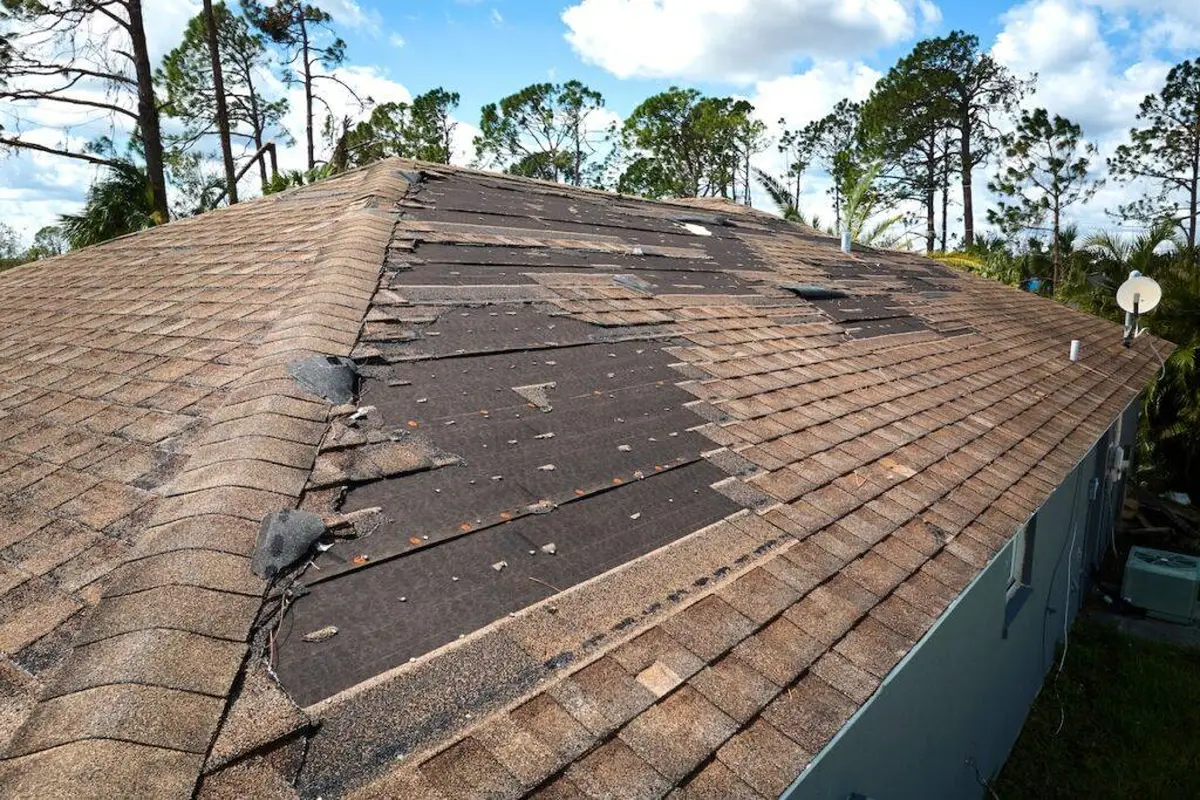
Roof underlayment is a water-resistant sheet laid over the roof deck and under the shingles. It is a second line of defence: when wind lifts a shingle or rain is driven under a course, the underlayment sheds the water instead of letting it reach the deck. It is not a roof on its own, and it should not stay uncovered.
Leak with shingles that look sound? Call (425) 738-3670.
What Roof Underlayment Is
Roof underlayment is a water-resistant sheet laid over the roof deck and under the shingles. You never see it on a finished roof, because the shingles cover it completely, but it is there on every slope, running from the eaves to the ridge. It is fitted in overlapping courses, like the shingles above it, so that water running down the roof is always shed from one layer onto the next.
Think of it as the roof's second line of defence. The shingles are the first: they take the weather, shed the rain, and carry it down to the gutters. The underlayment is there for the water that gets past them — rain driven under a lifted shingle by wind, water blown up under a course, or a slow leak through a cracked tab. When that happens, the underlayment sheds the water and keeps it off the wooden deck underneath.
What Underlayment Does
Its main job is to keep the roof deck dry. The deck is the wooden surface the roof is built on, and once it gets wet it can rot, warp, and lose the grip that holds the shingle nails. A dry deck keeps the whole roof sound; a wet one spreads the problem from a single leak to a whole slope.
Underlayment also protects the roof while it is being built or repaired. Shingles go on course by course, and the underlayment underneath keeps rain out of the house in the meantime. It also gives the shingles a smooth, even surface to lie on, which helps them seal and sit flat. None of this makes it a roof on its own — it is a backup layer, and it is not meant to face the weather uncovered for long.
Where Underlayment Sits on Your Roof
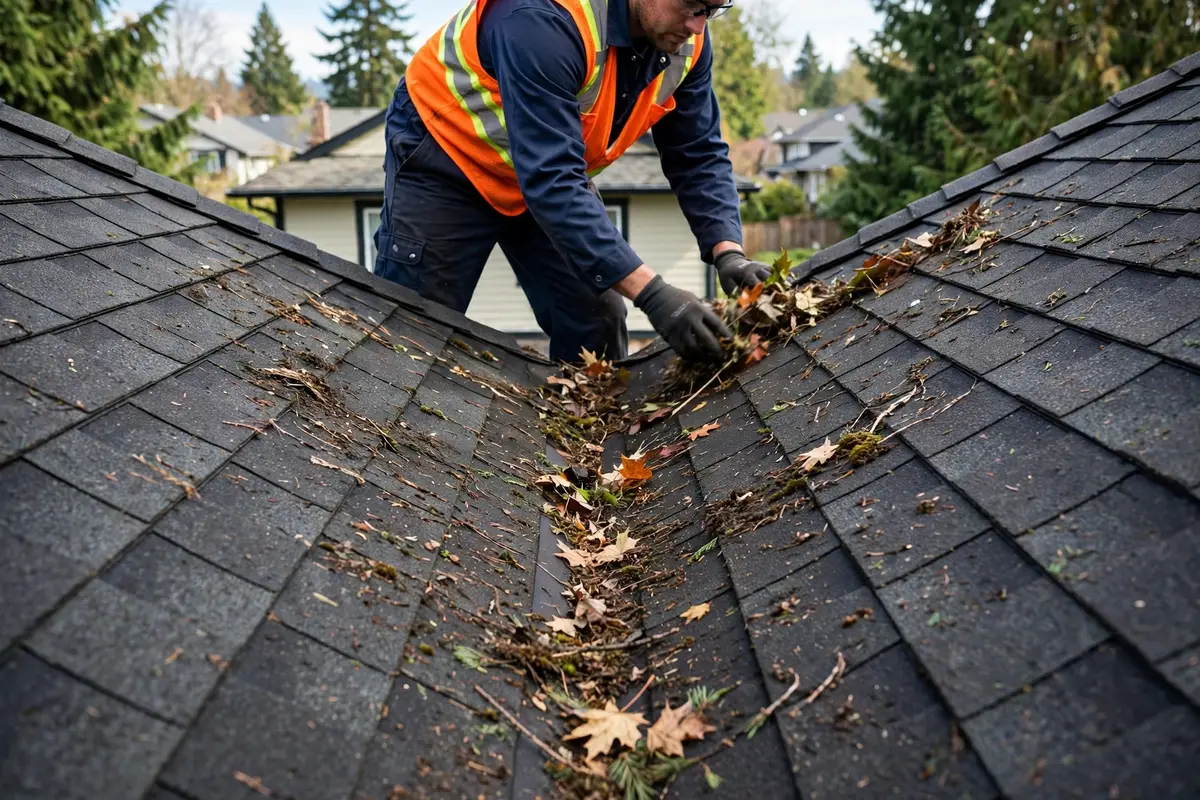
Underlayment covers the whole roof deck, fitted in horizontal courses that overlap from the eaves upward, so each course sheds water onto the one below it. At the eaves — the lower edge of the roof — an extra layer is often fitted: a self-adhering membrane known generically as ice-and-water shield, which sticks to the deck and seals around nail holes. It is used where water is most likely to pool or back up, at the eaves and in the valleys.
In the valleys, where two slopes meet and water concentrates, the underlayment runs underneath the valley lining, giving a second layer where the water runs heaviest. Our roof valley repair service deals with these areas when they wear or leak. Around chimneys, skylights, and vents, the underlayment is cut and fitted around the opening, and the flashing over it does the main work of keeping water out. Everywhere it sits, it is hidden: the only time you see underlayment is when shingles are lifted or missing, or during a repair.
Felt vs Synthetic Underlayment
There are two main types of underlayment, and both do the same job. Roofing felt is the older type: a base material soaked in asphalt, laid in rolls over the deck. It has been used under shingles for a long time, and it is still fitted today. Synthetic underlayment is a newer type, made from woven or plastic-based material, and it is also laid in rolls over the deck.
The practical differences are in handling rather than in purpose. Felt is heavier, and it can tear more easily when it is handled or walked on during fitting. It can also wrinkle if it gets wet before the shingles go on, which leaves an uneven surface under the shingles. Synthetic underlayment is lighter, lies flatter, and is generally tougher to tear, which makes it easier to fit neatly, especially on a steep or awkward slope.
Either type works as a backup water layer, and the choice between them depends on the roof and the repair rather than on a fixed rule. What matters more than the type is that it is fitted properly — lapped in the right direction, fixed so it cannot lift, and run under the flashing at every edge and opening. A well-fitted layer of either type does its job; a poorly fitted layer of either type does not. If you are having a repair done, ask what is being fitted under the new shingles, so you know what is protecting the deck.
When Underlayment Gets Replaced During a Shingle Repair
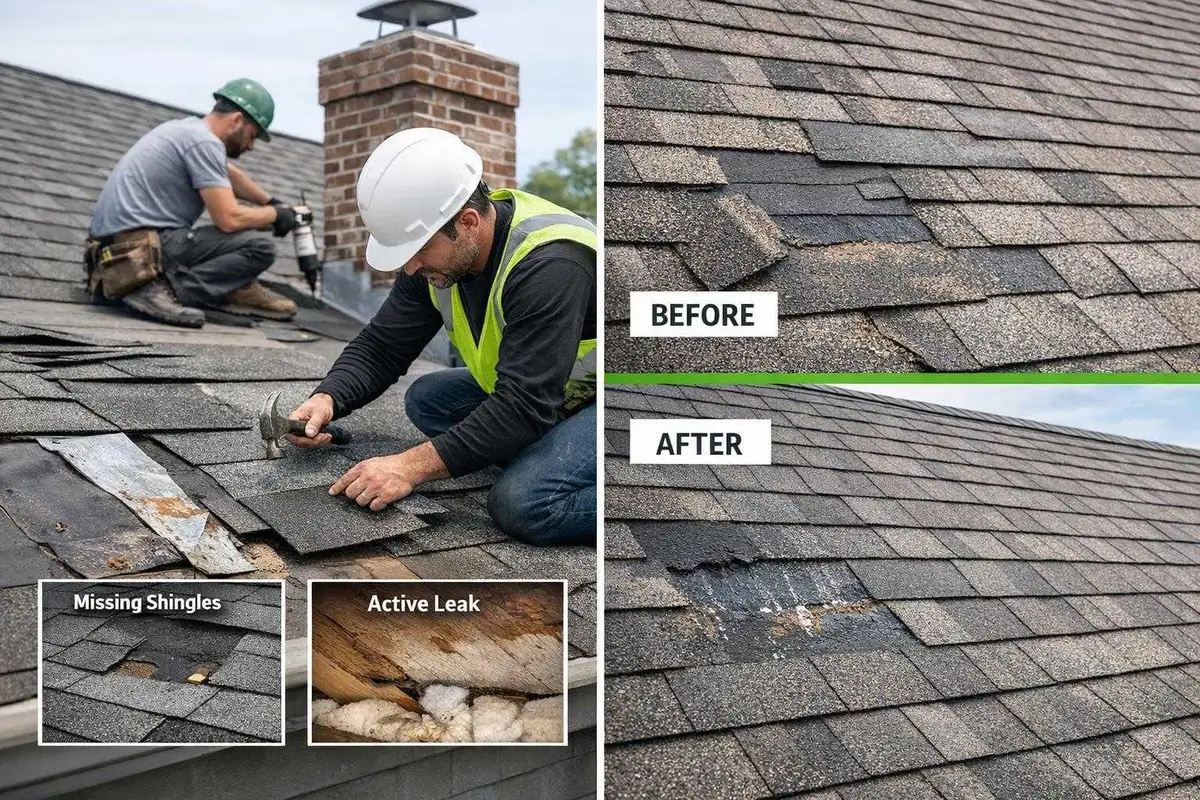
Underlayment is only replaced where it needs to be. When a repair covers part of a roof, we lift the shingles over the damaged area and look at the underlayment underneath. If it is still sound — flat, dry, and firmly fixed — it stays in place, and only the shingles are replaced. If it is torn, worn, or has been lifted along with the shingles, new underlayment goes in before the shingles are relayed.
The places most likely to need new underlayment are the ones that take the most water: the valleys, the eaves, and anywhere a leak has been running for a while. A leak that has soaked through will often have damaged the underlayment as well as the deck beneath it, and patching the shingles over damaged underlayment leaves the weak layer in place. A full replacement of underlayment only happens when the whole roof is being re-roofed. Our asphalt shingle repair service in Bellevue covers partial repairs like this, including the underlayment underneath the damaged shingles.
Not sure what is under your shingles? Call (425) 738-3670.
Signs Your Underlayment Has Failed
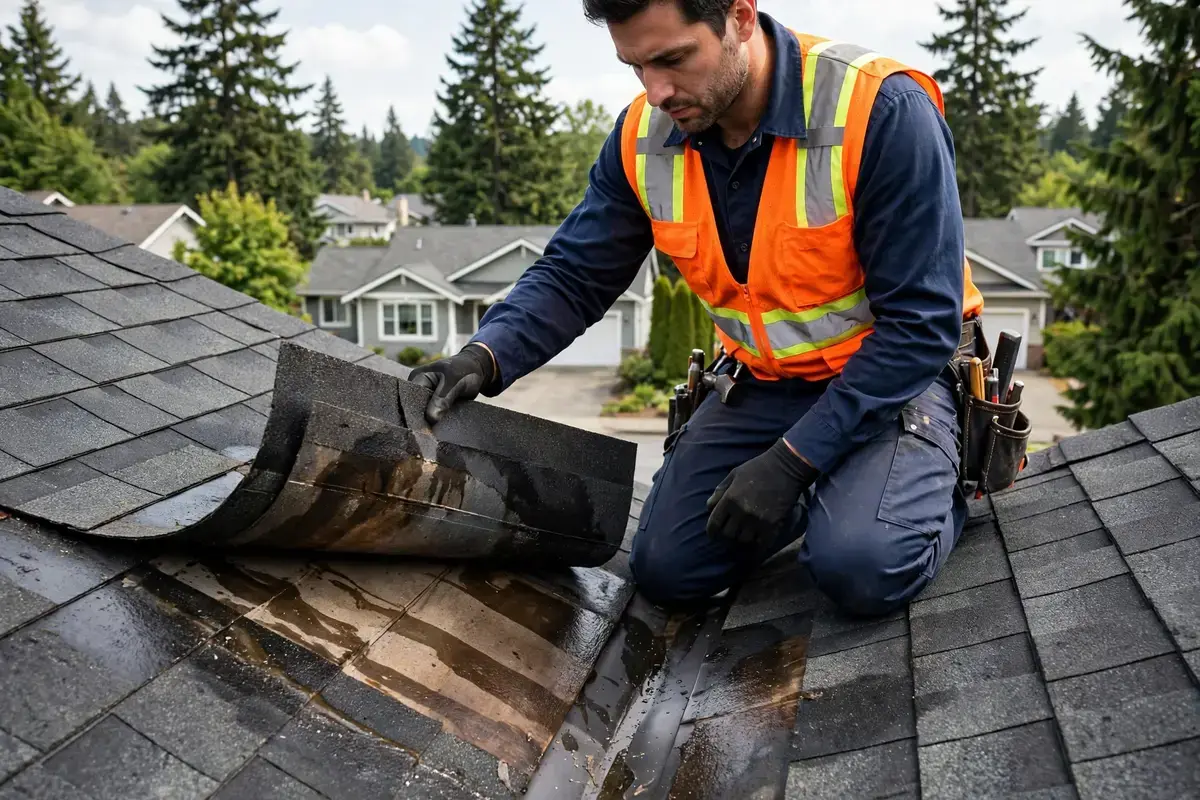
The usual sign is a leak even though the shingles above it look sound. Water appears as a stain on a ceiling, a damp patch in the attic, or a drip after rain, and the shingles over that spot look flat and whole. That points below the shingles: either the flashing has failed, or the underlayment has. The underlayment itself is hidden, so it can only be checked by lifting the shingles, which is a job for an inspection rather than a look from the ground.
Other signs show up during a repair. When shingles are lifted, worn underlayment shows as torn, brittle, or damp sheets, sometimes with the deck underneath stained or soft. A leak that keeps coming back after the shingles have been checked is the clearest warning: the top layer has been ruled out, so the layer beneath it is the next thing to look at. Our guide to finding a roof leak walks through the same process of elimination, and our roof leak repair service covers leaks where the underlayment is part of the problem.
What Happens When Shingles Go Missing
When shingles blow off or fall away, the underlayment underneath is left facing the weather. It will shed rain for a while — that is its job — but it is not made to do it uncovered for long. Sun and wind wear it out quickly, and a heavy rain can push water through a sheet that is torn or lifting at the edges. The longer it stays exposed, the weaker it gets, and the closer the roof comes to a leak into the deck.
If shingles have gone missing, the exposed area should be covered as a temporary measure and repaired as soon as the weather allows. Do not wait for the next storm to test it. Our missing shingle repair service covers exactly this, and our guide to what to do when shingles are missing explains the first steps to take — including what to photograph and what not to climb up to check yourself.

What Happens During an Underlayment Repair
A repair starts by lifting the shingles over the damaged area and checking what is underneath: the underlayment, and the deck below it. Any damaged underlayment is removed, the deck is checked for damp or rot, and new underlayment is fitted in overlapping courses, run under the flashing at the edges. Then the shingles are relayed over it and sealed, so the roof is watertight again from the top layer down.
After the work, you get the photographs of what was found and a written account of what was replaced, so you know what is protecting the deck. If the deck itself is damaged, that is a bigger job than underlayment alone, and it will be shown to you before any further work starts — not added on afterwards.
Need professional help? If your Bellevue roof is leaking even though the shingles look sound, the underlayment may be the cause. Call (425) 738-3670.
Key takeaways
- Underlayment is the backup water layer under your shingles, and it is what keeps rain off the deck when a shingle lifts or goes missing.
- Felt and synthetic underlayment do the same job; the difference is in handling, and what matters most is that it is fitted properly.
- Leaks despite sound shingles point below the surface — and exposed underlayment should be covered and repaired before the next rain.
Underlayment problem? Call (425) 738-3670.
Frequently Asked Questions
What is roof underlayment?
Roof underlayment is a water-resistant sheet laid over the roof deck and under the shingles. It is a second layer of protection: if rain gets past a shingle, the underlayment sheds it and keeps it off the wooden deck. It is not a roof on its own, and a roof should never be left with only underlayment showing.
Is underlayment the same as roofing felt?
Roofing felt is one type of underlayment, not another name for all of it. Felt is made from a base material soaked in asphalt, and it has been used under shingles for a long time. Synthetic underlayment is a newer type made from woven or plastic-based material. Both do the same job, but they are different materials with different handling.
What is the difference between felt and synthetic underlayment?
Felt is heavier and can tear more easily when it is handled or walked on, and it can wrinkle if it gets wet before the shingles go on. Synthetic underlayment is lighter, lies flatter, and is generally tougher to tear, which makes it easier to fit neatly. Either type works as a backup water layer, and the right choice depends on the roof and the repair.
What is ice-and-water shield?
Ice-and-water shield is a self-adhering membrane used in the places where water is most likely to get under the shingles, such as the eaves and the valleys. Unlike ordinary underlayment, it sticks to the deck and seals around nail holes, which helps keep water out where it pools or backs up. It is used in addition to underlayment, not instead of it.
Can underlayment be replaced without replacing the whole roof?
Yes. When a repair only covers part of a roof, we lift the shingles over the damaged area, remove the worn underlayment there, and fit new underlayment before relaying the shingles. The rest of the roof keeps its existing underlayment. A full replacement of underlayment only happens when the whole roof is being re-roofed, or when the damage is spread across it.
How do I know if my underlayment has failed?
The usual sign is a leak even though the shingles above it look sound, with stains on a ceiling or damp patches in the attic after rain. The underlayment itself is hidden, so it can only be checked by lifting the shingles, which is a job for an inspection. If a leak keeps coming back after the shingles have been checked, the underlayment is the next thing to look at.
How long can underlayment stay exposed if shingles blow off?
Not long. Underlayment is made to sit under shingles, so sun and wind wear it out quickly once it is uncovered, and a single heavy rain can push water through a torn or lifted sheet. If shingles have blown off, the exposed area should be covered as a temporary measure and repaired as soon as the weather allows, before the next rain.
Does a shingle repair always include new underlayment?
No. If the underlayment under the damaged shingles is still sound, it stays in place and only the shingles are replaced. New underlayment goes in where the old layer is torn, worn, or has been lifted with the shingles, and around valleys and eaves where extra protection matters. The inspection shows which parts need replacing before any work starts.