
What to Do When Shingles Are Missing
You look up after a storm and there is a gap in your roof. Here is what to do, in order, and what not to do — so a small gap does not become a leak, wet decking and interior damage.
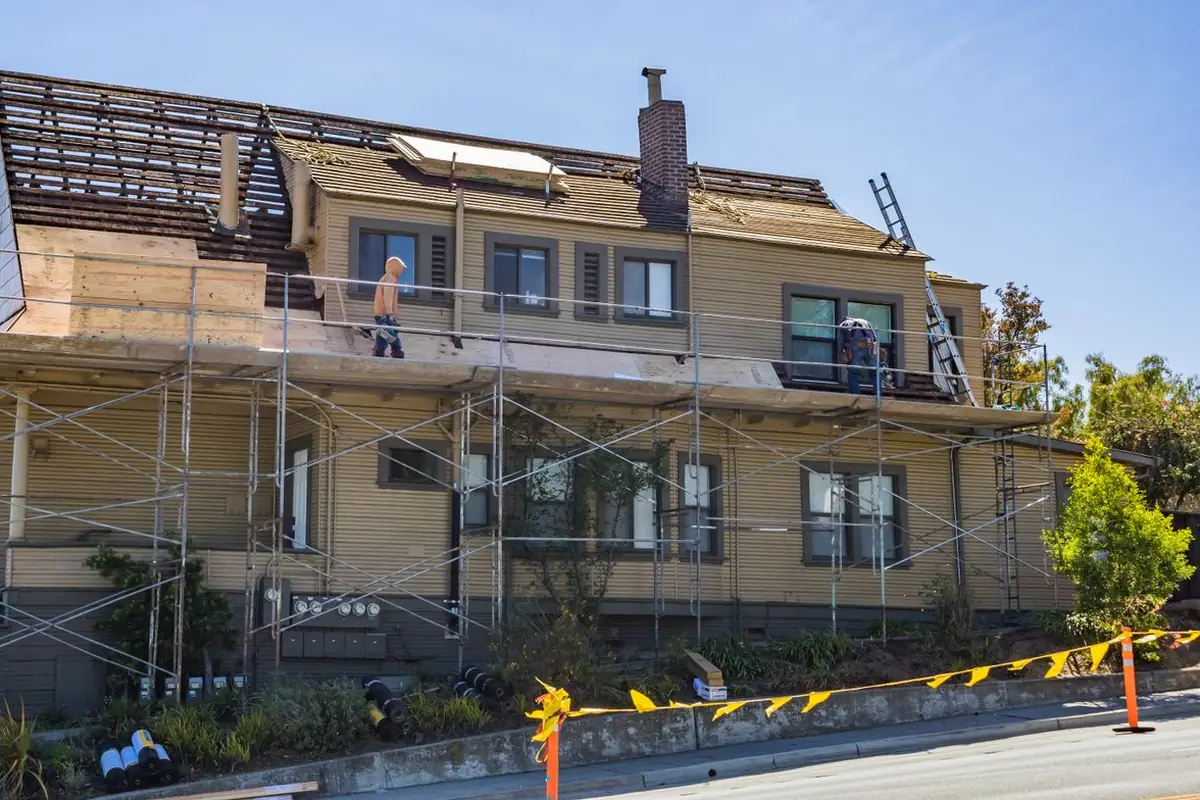
You look up after a storm and there is a gap in your roof. Storm damage like this is common after a Pacific Northwest windstorm — shingles lift, crease or blow off entirely. Here is what to do when roof shingles are missing, in order, and what not to do — so a small gap does not become a leak, wet decking and interior damage.
Missing Shingles: 1. Stay Off the Roof
Do not climb on a wet, steep or damaged roof. Photograph the gap from the ground, and note the date and the storm. If you can see shingles blown off the roof on the ground below, photograph those too. If you can see the gap from inside the attic, note whether light or water is coming through the roof deck.
Missing Shingles: 2. Cover the Gap Temporarily
If it can be done safely, a tarp or temporary cover over the exposed area is temporary roof protection that stops further water getting in. If it cannot be done safely, do not try — call a roofer and tell them the roof is exposed. Temporary cover is not a repair; underlayment left exposed will deteriorate.
Missing shingles? Call (425) 738-3670.
Missing Shingles: 3. Call a Roofer
Missing roof shingles are usually a quick repair, but wind damage is rarely limited to one shingle. We inspect the whole slope, because a wind-lifted shingle beside the gap may have a failed sealant strip even though it still looks in place, and water intrusion can start there. We photograph everything and give a written estimate for the shingle replacement, using matching shingles nailed through the nail strip so the repair holds in the next wind.
Missing Shingles: 4. Keep a Record
Keep your photos, the storm date, and any invoices. If you need to speak to your insurer, they will ask for dated evidence. We provide a written inspection report you can keep.
Need professional help? If this describes your roof, our missing shingle repair in Bellevue, WA service covers it. Call (425) 738-3670 or request an estimate.
Key takeaways
- Stay off the roof — wet shingles are slippery.
- Cover the gap temporarily and keep a record with photos.
- Call a roofer and book an inspection before the next rain.
Shingles in the yard? Call (425) 738-3670.
Frequently Asked Questions
How long can a roof go with missing shingles?
As little time as possible. A missing shingle leaves underlayment exposed, and underlayment is not a roof — it degrades in sun and lets wind-driven rain through. A few dry days may pass without harm, but one heavy rainstorm can wet the decking and insulation. Book a repair promptly and cover the area temporarily if you cannot get a roofer out quickly.
What can I use to temporarily cover missing shingles?
A heavy tarp or a sheet of plastic secured over the gap, weighted or tied so wind cannot lift it, works as a short-term cover. Roofing felt or a spare shingle can also cover a small gap. The cover must shed water away from the gap and stay in place until the repair. It is a stopgap, not a fix, and the shingles still need replacing.
Is it safe to replace a missing shingle myself?
Replacing a single shingle is a simple job, but it is only safe if the roof is low, dry and easy to reach, and you have a stable ladder and the right tools. Steep, wet or high roofs are not safe for a homeowner to climb, and a badly nailed shingle can lift in the next wind and leak. If you are not sure about the height or the slope, call a roofer instead of risking a fall.
Will one missing shingle void my roof warranty?
That depends on the warranty terms and the shingle maker, and we cannot give warranty advice. In general, a missing shingle is storm damage, not a warranty issue, and warranties usually cover manufacturing defects rather than wind damage. Check your warranty documents and, if in doubt, ask the shingle maker or the contractor who installed the roof.
How do roofers match a missing shingle?
They match the shingle profile first — three-tab or architectural — then the nearest colour blend from current stock. Older shingles fade in the sun, and some lines are discontinued, so a new shingle can look slightly different. A good match is usually close enough that the repair blends in from the street, and we tell you honestly what to expect before we start.
What if several shingles are missing in different spots?
Missing shingles in several spots usually means the roof is ageing or the seal strips have failed across a slope, not just one unlucky gust. Each gap is a separate entry point for water, and patching them one at a time can cost more than it is worth. An inspection will show whether spot repairs still make sense or the roof needs a wider fix.
Should I keep a fallen shingle after a storm?
Yes, keep it. A fallen shingle shows the profile, colour, and condition of your roof, which helps a roofer match the replacement. It is also useful evidence of storm damage, with the date you found it. Store it somewhere dry and show it to the inspector when they come.
Can missing shingles damage the inside of my house?
Yes. Water through a missing shingle can wet the decking, insulation, and ceilings, and over time rot the wood and stain plaster. The damage often starts hidden in the attic and only shows inside weeks later. That is why missing shingles are treated as urgent, not cosmetic, even when no leak is visible yet.
Does the number of missing shingles change the repair price?
Yes. One or two missing shingles is a small job. Replacing a few damaged asphalt shingles usually costs about $100 to $700 throughout Bellevue, WA. Our small repairs usually run $300-800. Several missing shingles in different spots take more time and material. You get an exact price in writing after the inspection.
How do I know if missing shingles are storm damage or wear?
Storm damage usually appears suddenly after wind or hail, with shingles missing in a pattern that follows the wind, and the remaining shingles still flat and sealed. Wear shows gradually: shingles loosen over months, seal strips fail, and tabs lift across a whole slope. The difference matters for how the repair is planned, and an inspection can usually tell which it is from the pattern.