
Bellevue Windstorm Roof Damage: What the 7–8 November 2026 Storm Did
The windstorm of 7–8 November 2026 hit Bellevue with a 50 mph gust and cut power to more than 100,000 customers across western Washington. Here is what that wind does to asphalt shingles — and what to check on your roof now.
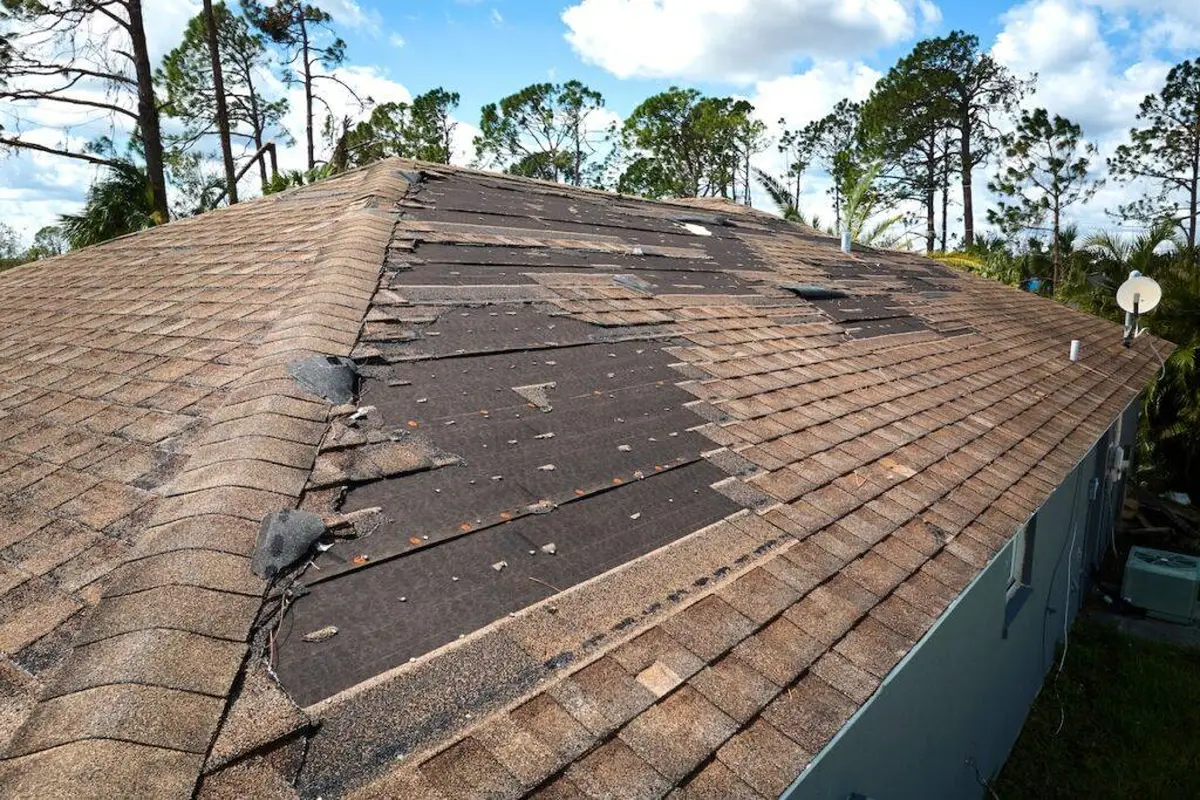
On Saturday night, 7 November 2026, a cold front swept across western Washington with a National Weather Service peak gust of 50 mph at Eastgate, just south of Bellevue. If your roof lost shingles that night, the damage is often worse than it looks from the ground — lifted tabs let the next rain straight in.
What Happened on 7–8 November 2026
A cold front moved across western Washington on Saturday evening, 7 November 2026, with southerly winds strong enough to bring down trees and power lines across the Puget Sound region. The National Weather Service's peak-gust list for the night records a 95 mph gust near Mount Rainier, 69 mph at Hoquiam on the coast, and 50 mph at 1 S Eastgate — the reporting station just south of Bellevue — at 9:01 PM. A Wind Advisory for the lowlands around Puget Sound stayed in effect until 4 AM on Sunday.
The power went with the trees. More than 100,000 customers across western Washington were without electricity on Saturday night, with Seattle City Light reporting around 46,000 customers out and Puget Sound Energy around 27,000 across its territory. Outages were reported in Bellevue and other Eastside communities, where lines run among old trees and a single fallen trunk can cut power to a whole block.
For roofs, the night mattered because of what the wind does to shingles — and because of what came next. The storm was the first of a wet week: more rain arrived on Monday and Tuesday, and a series of atmospheric rivers brought days of soaking rain from 10 to 14 November. A roof that lost shingles on Saturday night faced a week of rain before many owners had even looked at it.
What 50 mph Wind Does to Asphalt Shingles
Fifty miles per hour is enough to lift shingle tabs. Wind gets under the exposed edge of a tab, flexes it up and down, and breaks the adhesive seal that holds it to the shingle below. Once the seal is broken, the tab flaps in the next gust — and a tab that flexes often enough creases across its middle, which weakens it so it can tear off entirely.
The ridge takes the worst of it. Ridge cap shingles sit at the very top of the roof, where the wind is strongest, and wind uplift at the ridge can loosen the ridge seal and lift the caps. Valleys and flashing suffer too: gusts lift flashing at chimneys and walls, and branches thrown by the wind can crack shingles or tear them off in patches.
Older shingles fail first. Shingles that have already lost granules, curled at the edges or gone brittle with age have weak seals and stiff tabs, so the same gust that only flexes a young roof can tear an old one. That is why two houses on the same street can come through the same storm very differently — the roof's age and condition decide what 50 mph does to it.
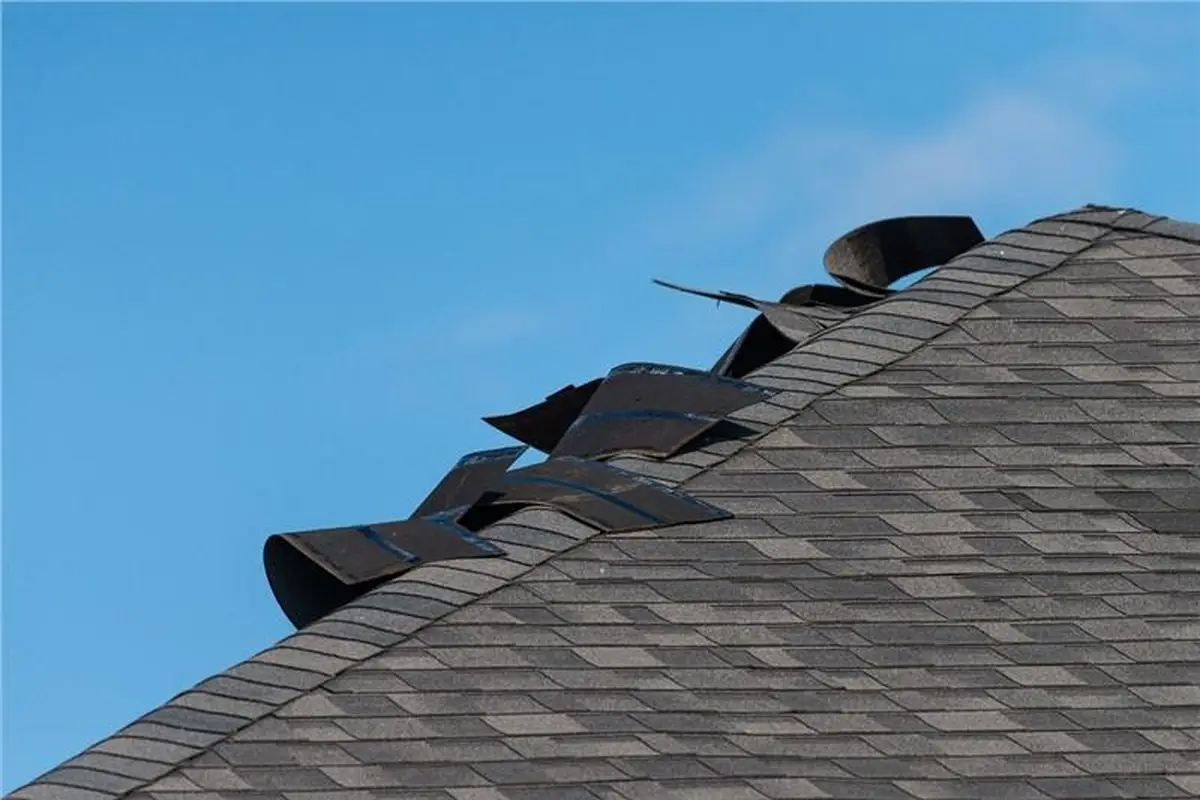
Shingles missing after the storm? Call (425) 738-3670.
Check Your Roof From the Ground
Start with a walk around the house and look up. Missing shingles show as dark patches where the underlayment or deck is exposed. Lifted or creased tabs are harder to see, but from the right angle you can spot edges that no longer lie flat, and ridge caps that have shifted or gone missing. Check the gutters and downspouts too: a lot of granules in the gutter after a storm means the shingles took a beating.
Look inside as well. A stain on a ceiling, a damp patch around a chimney or a musty smell in the attic can all be the first sign that wind-lifted shingles are letting rain in — and the stain often appears some distance from the actual damage, because water travels along the rafters. If you find granules in the gutters and a stain inside, the two are usually connected.
Do not climb on the roof yourself. A wet, wind-damaged roof is slippery, and a creased shingle can break underfoot and send you sliding. Everything on this checklist can be done from the ground, a window or the attic hatch. If you cannot see the slope properly, that is what an inspection is for — call (425) 738-3670 and we will look for you.
What to Do First After the Storm
If water is coming in, act first and document second. Move anything valuable out of the drip, put a bucket under it, and call for emergency roof repair — an active leak gets priority, and a temporary cover can keep the rain out until the permanent repair is done. Take photos from the ground before anything is covered: missing shingles, lifted tabs, granules in the gutters, and any ceiling stains inside.
Do not wait for a dry day to call. The rain that followed the storm — days of soaking rain from 10 to 14 November — is exactly what turns a few lifted tabs into a leak, because every storm after the first finds the same weak spots. A lifted tab that lets in a little rain in November lets in more with each storm that follows it.
If you plan to claim on insurance, the photos are the evidence: the damage, the date, and the condition of the roof before the repair. What is covered depends on your individual policy — no type of damage is automatically covered and no type is automatically excluded — so keep the photos and the written estimate, and check the policy wording rather than assuming. This is general information, not insurance advice. Our general guide to roof repair after a storm covers the same steps in more detail.
After the Rain: The 10–14 November Atmospheric Rivers
The windstorm did not end the wet week — it started it. A series of atmospheric rivers brought days of soaking rain to the Pacific Northwest from 10 to 14 November, with several inches of rain in places and flood watches in parts of western Washington. Bellevue's forecast for the week was rain on rain, with high chances of precipitation day after day.
That matters for roofs because steady rain finds every weak spot a windstorm leaves behind. A shingle that only lifted slightly on Saturday can let water under it all week, and a valley full of storm debris holds water against the shingles instead of draining it. If your roof survived the wind but leaked in the rain that followed, the wind is still the likely cause — the rain just found the damage. Read our guide on why roofs leak during heavy rain if the leak only showed up once the rain set in.
What Our Post-Storm Inspection Covers
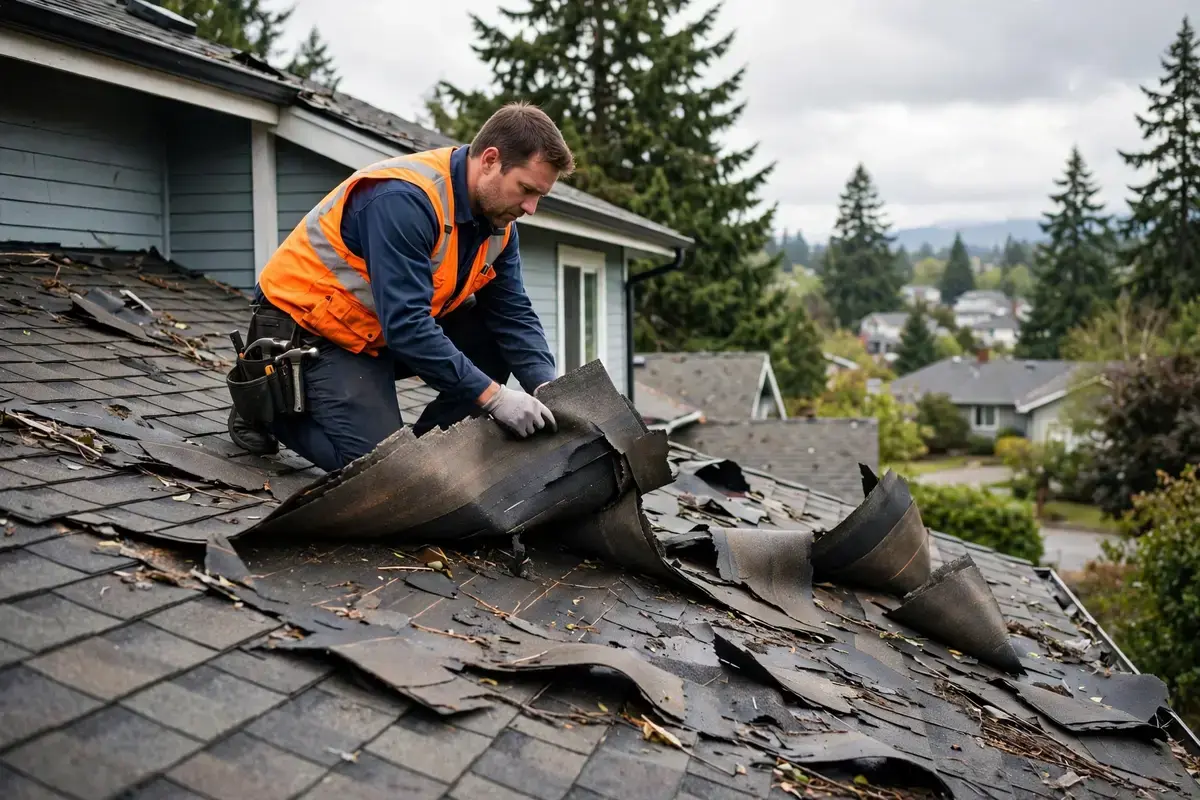
A post-storm roof inspection looks at the whole roof, not just the slope you can see from the street. We check every shingle course for lifted, creased and missing tabs, the ridge caps and ridge seal, the flashing at chimneys, walls and skylights, the valleys for debris and damage, and the vents and pipe boots — then we look in the attic for damp, staining and daylight showing through. Every problem spot is photographed.
You get a written estimate before any work starts, with the repair listed part by part — the shingles to be replaced, any flashing or vent work, and the clean-up. If the damage is localised, a wind-damaged shingle repair or storm damage repair is usually enough; if the storm exposed a roof that was already worn out, we tell you plainly and show you the photos, so you can decide with the evidence in front of you.
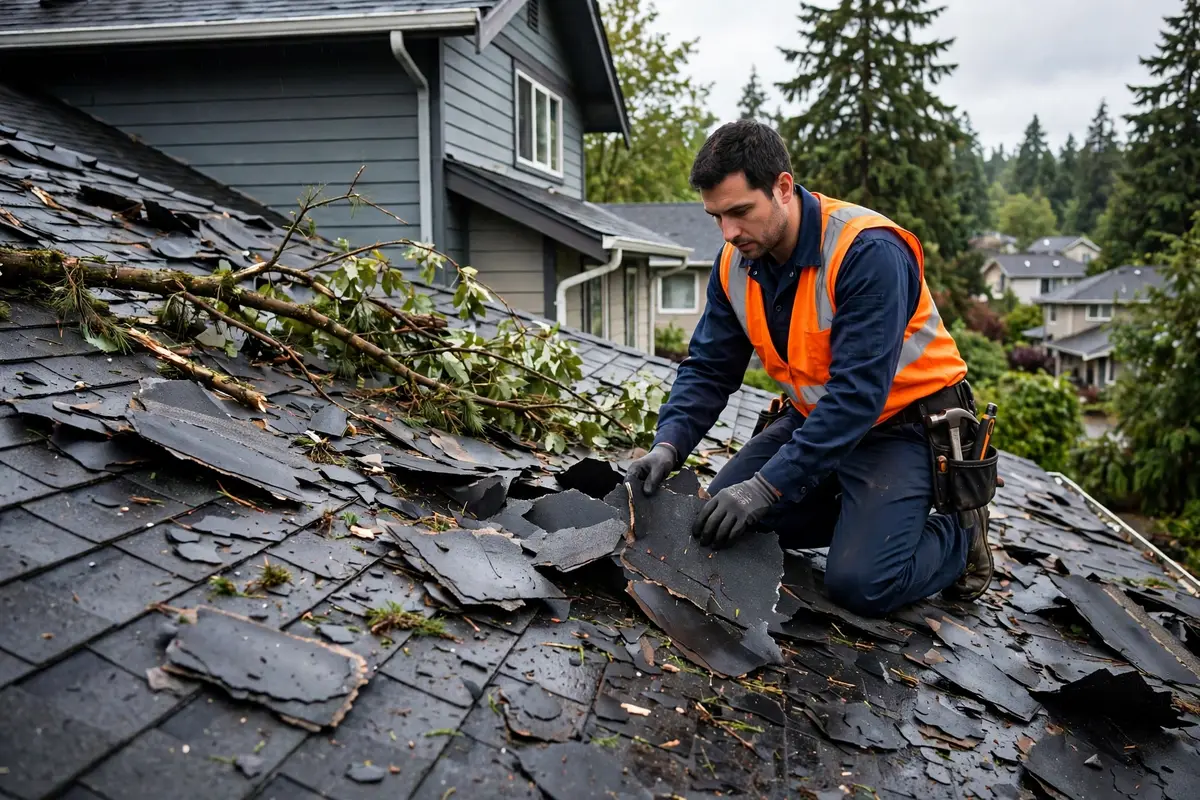
Need professional help? If the 7 November storm left your roof with missing or lifted shingles, our storm damage roof repair in Bellevue, WA service covers inspection, temporary cover and permanent repair. Call (425) 738-3670 or request an estimate.
Key takeaways
- The 7 November storm gusted to 50 mph at Eastgate, Bellevue, and cut power to over 100,000 customers.
- Wind lifts shingle tabs, creases them and loosens the ridge — damage that the rain on 10–14 November then exploited.
- Check from the ground, photograph everything, and call before the next storm, not after it.
Storm damage on your roof? Call (425) 738-3670.
Frequently Asked Questions
How strong was the wind in Bellevue on 7 November 2026?
The National Weather Service's peak-gust list records a 50 mph gust at 1 S Eastgate, just south of Bellevue, at 9:01 PM on 7 November 2026. The same list records 95 mph near Mount Rainier and 69 mph at Hoquiam on the coast. A Wind Advisory for the Puget Sound lowlands stayed in effect until 4 AM on Sunday, 8 November. Fifty miles per hour is enough to lift shingle tabs and loosen ridge caps.
Was my roof damaged if I cannot see missing shingles?
Not necessarily — but it can still be damaged. Wind often lifts tabs and breaks their adhesive seal without tearing them off, and creased shingles look almost normal from the ground. Granules in the gutters, a ridge cap that has shifted, or a stain on a ceiling are all signs of damage you cannot see as a missing shingle. An inspection from the roof, with photos, is the only way to be sure.
Should I climb up to check my roof after the storm?
No. A wet, wind-damaged roof is slippery, and a creased shingle can break underfoot. Everything worth checking first — missing shingles, lifted tabs, granules in the gutters, ceiling stains — can be seen from the ground, a window or the attic hatch. If you cannot see the slope properly, call (425) 738-3670 and we will inspect it for you, with photos.
What is a creased shingle?
A creased shingle is a tab with a horizontal fold across it, caused by the wind flexing it up and down until the shingle weakens and folds. The crease is a break in the shingle's strength: it will not reseal, and it usually tears off in the next strong wind. Creased shingles need replacing, not resealing. Our guide to damaged shingle shapes explains creasing, fishmouthing and delamination in detail.
Will my insurance cover wind damage from the storm?
It depends on your individual policy. Some policies cover wind damage to roofs, others exclude it or apply a separate wind deductible, and the age and condition of the roof can affect the claim. No type of damage is automatically covered and no type is automatically excluded. Keep photos of the damage and the written estimate, and check your policy wording. This is general information, not insurance advice.
How fast should I get the roof checked after a windstorm?
As soon as you can, and before the next rain. The storm of 7 November was followed by days of soaking rain from 10 to 14 November, and every storm after the first finds the same lifted tabs. A few lifted shingles are a small repair if they are caught early; left through a wet week, they become a leak, damp insulation and stained ceilings. An active leak gets priority when you call.
Can a tarp wait until the rain stops?
No — a tarp is for keeping rain out, so it goes on before the rain, not after it. If water is coming in, call for emergency roof repair and we will cover the damaged area as soon as we can get there. Waiting for a dry day just lets more water into the decking and insulation. Once the roof is covered, the permanent repair can wait for a dry window.
What if branches fell on my roof in the storm?
Do not pull a heavy branch off the roof yourself — it can be holding damaged shingles in place, and moving it can tear more off or injure you. Photograph it from the ground and call (425) 738-3670. We remove the branch, inspect the shingles and flashing underneath it, and photograph the damage before any repair starts. Branches often hide the worst damage, which is why the inspection matters.
Do I need a full inspection or just the damaged slope?
A full inspection. Wind does not damage one slope evenly: the ridge, the windward slope and the flashing all take different loads, and a valley full of storm debris can cause a leak on a slope that looks fine. We check every slope, the ridge, the flashing, the valleys and the attic, so nothing is missed. The written estimate then lists only the work that is actually needed.
How do I stop this happening in the next storm?
You cannot stop the wind, but a roof in good condition rides it out far better. Sealed tabs, sound ridge caps, clear valleys and flashing in good order are what keep shingles on the roof in a 50 mph gust — and those are exactly what a maintenance visit checks. After this storm, the best preparation for the next one is an inspection and the small repairs it finds, before the next front arrives.