
Roof Repair After a Storm
After a storm, the order of work matters: safety first, then stop the water, then document, then repair. This guide walks through each step for a Bellevue homeowner.
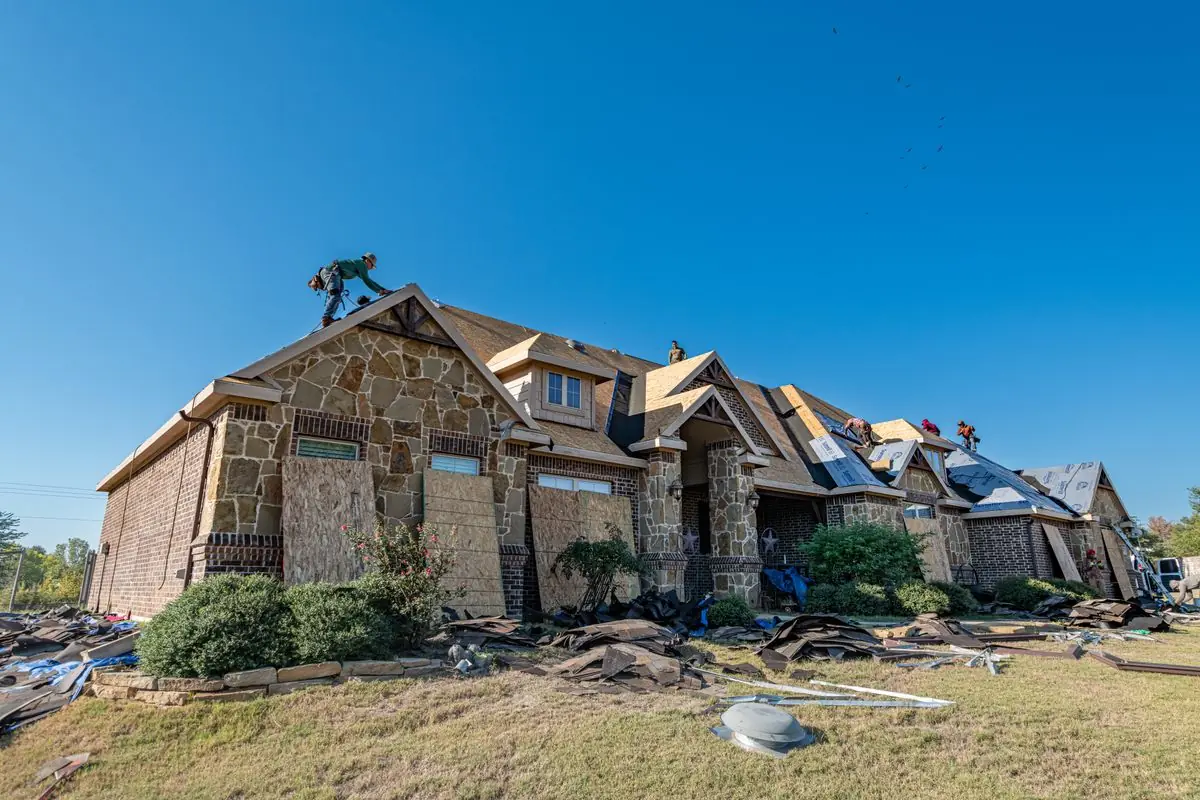
After a windstorm, the order of work matters: safety first, then stop the water, then document, then repair. A roof leak after a storm is often the first sign of damage, even when the roof looks fine from the ground. This guide walks through each step for a Bellevue homeowner.
Roof Repair After a Storm — Safety First
Do not climb on a damaged or wet roof, and do not go near fallen power lines or a tree that is still leaning on the house. Photograph damage from the ground. If the roof has a hole or a fallen branch through it, stay out of the room below it if water is coming in.
Roof Repair After a Storm — Stop the Water
If water is entering, a roof tarp is the first job. It can be arranged by a roofer where it can be done safely. It is temporary weatherproofing, not a repair — it buys time while the permanent repair is planned.
Storm damage? Call (425) 738-3670.
Roof Repair After a Storm — Document Everything
Photograph the damage from the ground and inside, note the storm date, and keep any fallen shingles or debris. That photo documentation — dated photos, the storm date, and copies of every report, estimate and invoice — is what your insurer will ask for. Check your policy and ask your insurer what else they need; an insurance adjuster typically works from the same dated record.
Roof Repair After a Storm — Storm Damage Inspection
Book an inspection. We walk the whole roof, because storm damage is rarely limited to what you can see from the ground — wind-damaged shingles, missing shingles, hail bruise damage and granule loss can all hide on the far slope — and give a written report and estimate. The permanent repair replaces damaged shingles, flashing and underlayment as inspection shows. If the storm was a winter storm, we also look for ice dam damage along the eaves, where trapped meltwater can lift shingles and leak into the roof.
Need professional help? If this describes your roof, our storm damage roof repair in Bellevue, WA service covers it. Call (425) 738-3670 or request an estimate.
Key takeaways
- Safety first: stay off a wet, damaged roof.
- Stop the water with tarping, then document everything with photos.
- A permanent repair follows a full inspection, not just a patch.
Water coming in after the storm? Call (425) 738-3670.
Frequently Asked Questions
Is it safe to go on my roof after a storm?
No, not until it has been checked. A storm can loosen shingles, weaken the deck, and leave the roof slippery, and damage is not always visible from the ground. Stay off the roof and photograph damage from the ground instead. A roofer has the safety equipment to walk the roof and can tell you whether it is safe.
How soon after a storm should a roof be inspected?
As soon as it is safe to do so, and before the next heavy rain if possible. An early inspection finds damage while it is fresh, and the photos and report support any insurance claim. Waiting gives water more time to get in through damaged shingles, which can turn a small repair into decking damage.
What should I photograph after storm damage to a roof?
Take wide shots of each slope, close-ups of missing, lifted, or cracked shingles, any fallen shingles or debris on the ground, and stains or damp patches inside the house. Note the storm date and keep the photos with the inspection report. These images are the record your insurer will ask for, so keep the originals.
How can I tell if storm damage is only cosmetic?
Cosmetic damage, such as a few scuffed shingles, does not let water in. Damage that matters is missing, lifted, cracked, or creased shingles, exposed underlayment, and any stain or damp patch inside. A roofer can tell the difference by walking the roof and checking whether the water barrier underneath is still intact.
What does a roofer check during a post-storm roof inspection?
The roofer walks the roof and checks the shingles, flashing, valleys, vents, and ridge caps for missing, lifted, or cracked pieces, looks for soft decking, and checks the attic where possible for leaks and damp insulation. You get a written assessment with photos showing what needs repair now and what can wait.
Can a roof leak show up days after a storm?
Yes. Water can travel along rafters and underlayment before it shows as a stain on a ceiling, so a leak may appear days after the storm that caused it. Wind can also break the seal on shingles without removing them, and the leak only shows when the next rain arrives. An inspection after a storm is the reliable check.
Should I wait for dry weather before repairing storm damage?
A permanent repair needs dry weather, because shingles seal best when warm and dry. But you should not wait to protect the roof, because a temporary cover stops water getting in while you wait for a dry day. Arrange the inspection promptly so the repair can be booked as soon as the weather allows.
What is the difference between wind damage and hail damage on shingles?
Wind damage lifts, creases, or tears shingles off, usually along edges and ridges. Hail damage leaves dents, bruises, and cracked shingles, often with granules knocked off in small round patches. Both can let water in, but they look different and are repaired differently, so a roofer should identify which type of damage your roof has.
How long can a tarp stay on a damaged roof?
A tarp is a temporary cover, not a repair, and it should only stay on until the permanent repair is done. Left for weeks, a tarp can trap moisture, tear in the wind, and let water in around its edges. Arrange the repair promptly, and have the roofer check the tarp if the repair is delayed.
Will a storm-damaged roof need a full replacement?
Not usually. If the damage is limited to a few shingles or one area, a repair is normally enough. Replacement becomes likely when the storm has damaged shingles across several slopes, when the decking underneath is wet or soft, or when the roof was already near the end of its life. An inspection shows whether a repair or a replacement is the right call.